Endometriosis Treatment in Istanbul, Turkey
Advanced Gynecological Evaluation, Medical Management and Laparoscopic Surgery
Endometriosis is a chronic gynecological condition in which tissue similar to the endometrium is found outside the uterus. It may affect the ovaries, fallopian tubes, pelvic peritoneum and other pelvic structures, sometimes leading to chronic pelvic pain, painful menstruation, deep pain during sexual intercourse and fertility difficulties.
Endometriosis treatment in Istanbul requires an individualized approach based on symptoms, clinical examination, imaging findings, disease location, reproductive plans and previous treatments.
At our gynecology clinic in Istanbul, Turkey, patients can receive comprehensive evaluation and discuss appropriate medical or surgical management options. Treatment planning focuses on symptom control, preservation of reproductive potential when relevant and improvement of quality of life.
We also welcome international patients seeking endometriosis diagnosis and treatment in Istanbul.
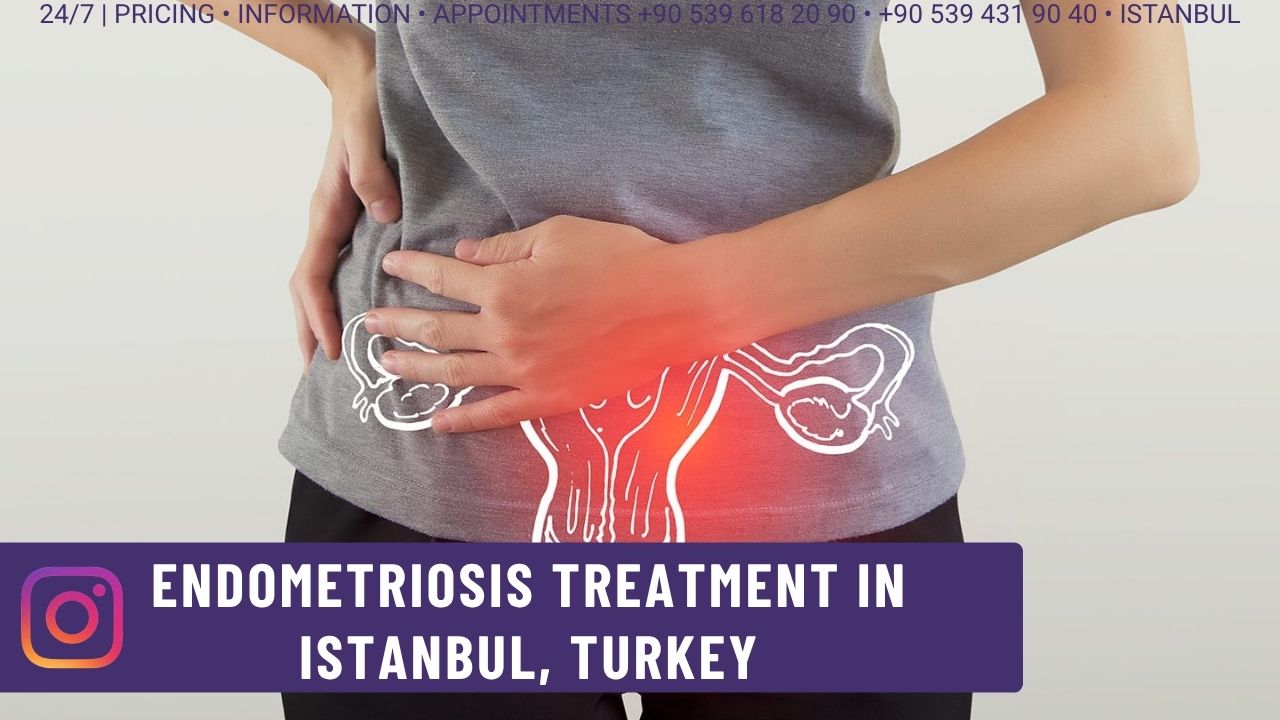
Endometriosis Treatment in Istanbul, Turkey
- Endometriosis treatment in Istanbul, Turkey, including gynecological assessment, pelvic imaging, medical management and laparoscopic surgical options. Specialized evaluation is available for local and international patients.
What Is Endometriosis?
Endometriosis is a chronic inflammatory disease characterized by the presence of endometrium-like tissue outside the uterine cavity.
These lesions may respond to hormonal changes during the menstrual cycle and can be associated with inflammation, fibrosis, adhesions and chronic pelvic pain.
Endometriosis commonly affects:
Ovaries.
Pelvic peritoneum.
Uterosacral ligaments.
Pouch of Douglas.
Rectovaginal septum.
Bladder and bowel in selected cases.
The condition may present in different forms and degrees of severity. The extent of visible disease does not always correspond to the intensity of symptoms. Some patients experience significant pain with limited visible disease, while others may have extensive endometriosis with relatively few symptoms.
Common Symptoms of Endometriosis
Symptoms of endometriosis vary between patients. Some women experience severe menstrual pain, while others primarily report chronic pelvic discomfort or fertility problems.
Common symptoms include:
Painful Menstruation (Dysmenorrhea)
Menstrual pain associated with endometriosis may be severe enough to interfere with daily activities, work and quality of life.
Pain may begin before menstruation and continue throughout the menstrual period.
Chronic Pelvic Pain
Persistent or recurrent pelvic pain is a common presentation. The pain may occur during menstruation or at other times of the menstrual cycle.
Deep Pain During Sexual Intercourse (Dyspareunia)
Deep pelvic pain during or after sexual intercourse may occur, particularly when endometriosis involves the uterosacral ligaments, posterior pelvic compartment or rectovaginal region.
Painful Bowel Movements (Dyschezia)
Some patients experience painful bowel movements, especially during menstruation. This may be associated with deep infiltrating endometriosis involving the bowel or surrounding pelvic structures.
Urinary Symptoms
Endometriosis affecting the bladder or urinary tract may cause cyclical urinary discomfort, painful urination or, less commonly, blood in the urine.
Infertility
Endometriosis may be associated with reduced fertility through several mechanisms, including pelvic adhesions, altered pelvic anatomy, ovarian involvement and other reproductive factors.
Not every patient with endometriosis experiences infertility.
Types of Endometriosis
Endometriosis can be classified according to the location and characteristics of the lesions.
Superficial Peritoneal Endometriosis
This form involves superficial endometriotic lesions on the pelvic peritoneum. The lesions may be subtle and difficult to identify through routine imaging.
Ovarian Endometrioma (Chocolate Cyst)
An endometrioma is an ovarian cyst associated with endometriosis. It commonly contains thick, dark, old blood and is often referred to as a chocolate cyst.
Endometriomas may be associated with pelvic pain, adhesions and reduced ovarian reserve.
Treatment decisions should consider cyst characteristics, symptoms, ovarian reserve and reproductive plans. Surgery is not automatically required for every endometrioma.
Deep Infiltrating Endometriosis
Deep infiltrating endometriosis involves lesions extending beneath the peritoneal surface and may affect structures such as:
Uterosacral ligaments.
Rectovaginal septum.
Rectum and sigmoid colon.
Bladder.
Ureters.
Patients with suspected deep infiltrating endometriosis may require detailed pelvic imaging and multidisciplinary assessment before treatment planning.
Diagnosis of Endometriosis in Istanbul
An accurate diagnosis begins with a detailed evaluation of symptoms, menstrual history, previous treatments and reproductive goals.
The diagnostic process may include:
1. Gynecological Examination
A pelvic examination may identify tenderness, reduced organ mobility, pelvic nodules or an adnexal mass.
A normal examination does not exclude endometriosis.
2. Transvaginal Ultrasound
Transvaginal ultrasound is an important imaging method for evaluating ovarian endometriomas and selected forms of deep endometriosis.
The examination may assess:
Ovarian endometriomas.
Pelvic anatomy.
Adhesion-related findings.
Deep endometriotic lesions when visible.
Other possible causes of pelvic pain.
3. Pelvic MRI
Magnetic resonance imaging may be useful when deep infiltrating endometriosis is suspected or when more detailed anatomical assessment is needed for treatment planning.
4. Diagnostic Laparoscopy
Laparoscopy allows direct visualization of the pelvic cavity and may be used for diagnosis and treatment in selected patients.
However, diagnostic laparoscopy is not required in every patient. Clinical assessment and imaging may be sufficient to establish a working diagnosis and begin appropriate treatment.
A negative ultrasound or MRI does not completely exclude endometriosis, particularly superficial peritoneal disease.
Endometriosis Treatment Options
There is no single treatment suitable for every patient with endometriosis.
The choice of treatment depends on pain severity, lesion location, ovarian involvement, previous treatment response, fertility plans and patient preferences.
The main treatment approaches include medical management, surgical treatment and supportive care.
Medical Treatment of Endometriosis
Medical treatment aims to reduce endometriosis-associated pain and suppress hormonal stimulation of endometriotic lesions.
Depending on the patient’s medical history and reproductive goals, treatment options may include:
Combined hormonal contraceptives.
Progestogens.
Levonorgestrel-releasing intrauterine systems in selected patients.
GnRH agonists.
GnRH antagonists.
Non-steroidal anti-inflammatory drugs (NSAIDs) for pain relief.
The selection of medication requires individual assessment of contraindications, adverse effects and treatment goals.
Hormonal treatment can help control symptoms but does not permanently eliminate endometriosis.
Hormonal suppression is generally not used to improve spontaneous pregnancy rates in patients actively trying to conceive.
Laparoscopic Endometriosis Surgery in Istanbul
Laparoscopic surgery may be considered for patients with persistent symptoms, selected ovarian endometriomas, deep infiltrating disease or other clinically significant findings.
The procedure is performed through small abdominal incisions using a camera and specialized surgical instruments.
Depending on the location and extent of disease, surgical management may involve:
Excision of endometriotic lesions.
Treatment of superficial peritoneal endometriosis.
Adhesiolysis to restore pelvic anatomy when appropriate.
Ovarian endometrioma surgery in selected cases.
Management of deep infiltrating endometriosis with appropriate specialist planning.
The objective is to treat clinically significant disease while minimizing unnecessary damage to healthy ovarian and pelvic tissue.
For complex deep endometriosis involving the bowel, bladder or ureters, multidisciplinary surgical planning may be necessary.
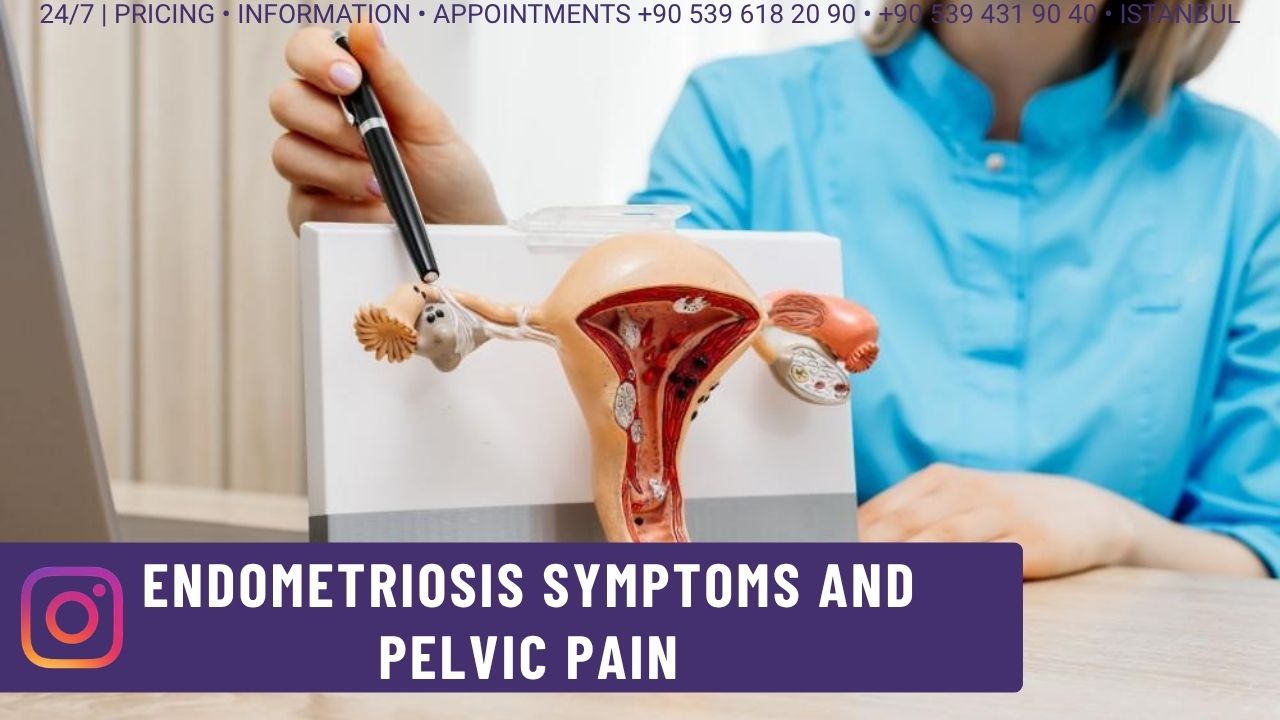
Endometriosis Symptoms and Pelvic Pain
Medical illustration explaining common symptoms of endometriosis, including dysmenorrhea, chronic pelvic pain, deep dyspareunia and painful bowel movements. Patients experiencing these symptoms can seek endometriosis evaluation and treatment in Istanbul, Turkey.
Endometrioma Surgery (Chocolate Cyst Surgery)
Ovarian endometriomas require careful evaluation before surgical intervention.
The decision to operate depends on several factors:
Cyst size and imaging characteristics.
Pelvic pain and other symptoms.
Previous ovarian surgery.
Ovarian reserve.
Age and reproductive plans.
Suspicion of alternative ovarian pathology.
Laparoscopic cystectomy may be considered in selected patients. Other surgical approaches may also be appropriate depending on the clinical situation.
Preservation of healthy ovarian tissue is particularly important because ovarian surgery may affect ovarian reserve.
Fertility and Endometriosis
Endometriosis may affect fertility, but many women with the condition can conceive naturally.
Fertility assessment should consider:
Ovarian reserve.
Tubal patency.
Semen analysis when relevant.
Previous pelvic surgery.
Endometrioma characteristics.
Age and reproductive history.
Other potential infertility factors.
Treatment planning should be individualized.
Surgery is not automatically the best option for every patient with endometriosis-related infertility. In some cases, assisted reproductive techniques may be more appropriate.
The possible benefits and risks of surgery should be discussed in relation to the patient’s fertility goals.
What Happens After Endometriosis Treatment?
Follow-up depends on the type of treatment and the patient’s clinical condition.
After medical treatment, symptom response and medication-related effects should be reviewed periodically.
After laparoscopic surgery, follow-up may include:
Assessment of pain improvement.
Evaluation of postoperative recovery.
Review of histopathology when tissue has been submitted.
Discussion of hormonal management when appropriate.
Fertility planning if pregnancy is desired.
Further imaging when clinically indicated.
Endometriosis can recur or remain symptomatic after treatment. Long-term management may therefore be necessary.
Endometriosis Treatment Cost in Istanbul, Turkey
The cost of endometriosis treatment in Istanbul depends on the diagnostic findings and the treatment required.
The total cost may vary according to:
Gynecological consultation.
Transvaginal ultrasound.
Pelvic MRI, when required.
Medical treatment.
Laparoscopic surgery.
Endometrioma surgery.
Hospital and anesthesia requirements.
Complexity of the surgical procedure.
Endometriosis treatment in Istanbul – Prices start from YYYY USD.
The final treatment cost is determined after reviewing the patient’s medical history, imaging findings and proposed treatment plan.
International patients can contact our clinic to discuss examination arrangements and receive information about treatment options and pricing.
Endometriosis Treatment for International Patients in Istanbul
Our clinic welcomes international patients seeking gynecological evaluation and endometriosis treatment in Istanbul, Turkey.
Patients are encouraged to share previous medical records before traveling, including:
Previous gynecological examination reports.
Transvaginal ultrasound reports.
Pelvic MRI images and reports.
Previous surgical reports.
Histopathology results.
Current medication information.
International Patient Process
1. Initial Contact
Patients can contact our clinic through WhatsApp and share their symptoms and available medical records.
2. Medical Evaluation
The gynecological assessment is planned according to the patient’s symptoms, previous investigations and treatment history.
3. Diagnostic Assessment
Clinical examination and appropriate imaging are performed to evaluate suspected endometriosis and determine its location and extent.
4. Individualized Treatment Planning
Medical treatment, further investigations or surgical management may be discussed according to the clinical findings and reproductive goals.
5. Follow-Up Planning
Patients receive guidance regarding postoperative care, medical treatment and follow-up arrangements when appropriate.
Patients considering surgery should allow sufficient time in Istanbul for preoperative assessment, treatment and recovery.
Why Choose Our Gynecology Clinic in Istanbul?
Endometriosis requires an individualized approach because symptoms, disease location and reproductive goals differ significantly between patients.
Our approach focuses on:
Detailed gynecological assessment.
Evaluation of chronic pelvic pain and menstrual symptoms.
Ultrasound-based assessment of ovarian and pelvic findings.
Individualized medical treatment planning.
Discussion of laparoscopic surgical options when indicated.
Consideration of ovarian reserve and fertility goals.
Appointment coordination for international patients visiting Istanbul, Turkey.
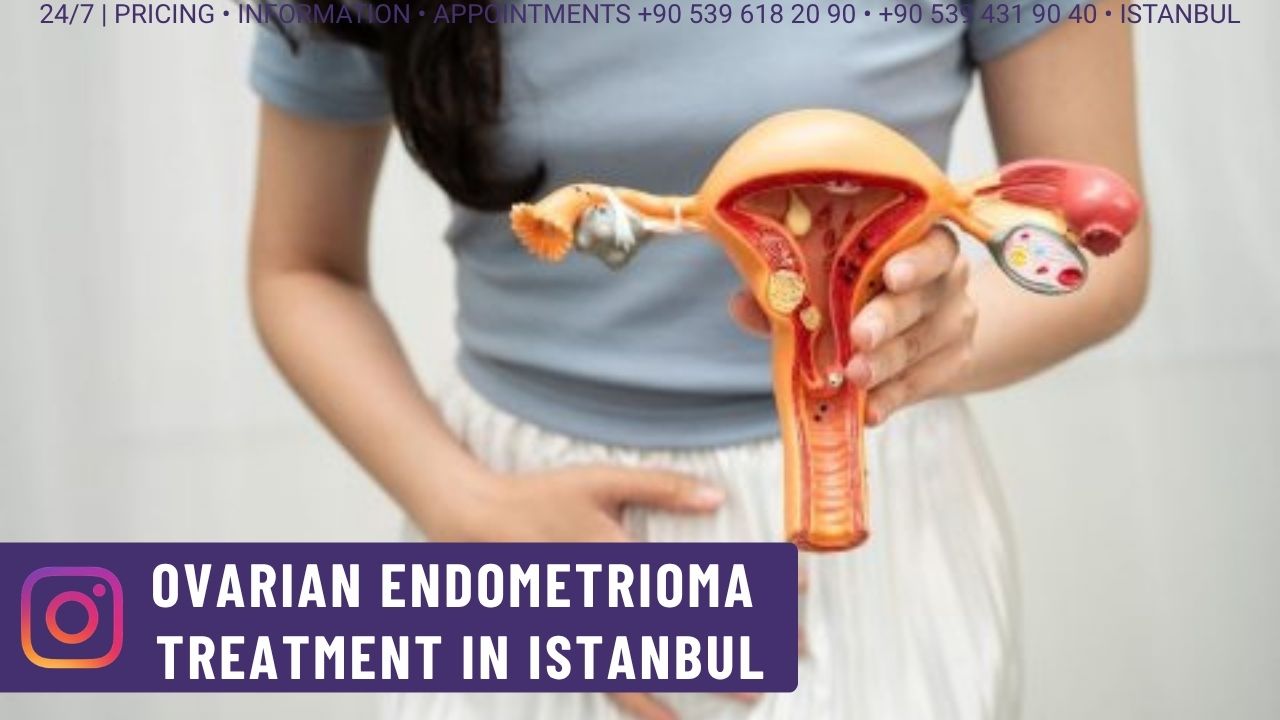
Ovarian Endometrioma Treatment in Istanbul
Anatomical medical illustration showing an ovarian endometrioma, commonly called a chocolate cyst. Treatment planning considers cyst characteristics, pelvic pain, ovarian reserve and reproductive goals. Ovarian endometrioma treatment in Istanbul, Turkey, may involve observation, medical management or selected laparoscopic surgical procedures.
Frequently Asked Questions About Endometriosis
What is the main cause of endometriosis?
The exact cause of endometriosis is not fully understood. Several biological, hormonal, immunological and genetic factors may contribute to its development.
What are the most common symptoms of endometriosis?
Common symptoms include painful menstruation, chronic pelvic pain, deep pain during sexual intercourse, painful bowel movements and fertility difficulties.
Can endometriosis be diagnosed by ultrasound?
Ultrasound can identify ovarian endometriomas and some forms of deep endometriosis. However, a normal ultrasound does not exclude all forms of endometriosis.
Is laparoscopy necessary to diagnose endometriosis?
No. Many patients can receive a clinical diagnosis and begin treatment based on symptoms, examination and imaging. Laparoscopy may be considered when further diagnosis or surgical treatment is appropriate.
Can endometriosis cause infertility?
Endometriosis may reduce fertility in some patients, but it does not mean that pregnancy is impossible. Fertility assessment and treatment should be individualized.
Does every ovarian endometrioma require surgery?
No. The decision depends on symptoms, cyst characteristics, ovarian reserve, previous surgery and reproductive plans.
Can endometriosis return after surgery?
Yes. Endometriosis may recur or remain symptomatic after surgery. Long-term follow-up and individualized postoperative management may be appropriate.
Is hormonal treatment a permanent cure for endometriosis?
No. Hormonal medications can control symptoms and suppress disease activity while being used, but they do not permanently eliminate endometriosis.
How much does endometriosis treatment cost in Istanbul?
Prices depend on the required investigations and treatment approach. Endometriosis treatment prices in Istanbul start from 4000 USD.
Can international patients receive endometriosis treatment in Istanbul?
Yes. International patients can arrange a gynecological consultation in advance and share previous examination, ultrasound, MRI and surgical reports to help plan their evaluation.
Book Your Endometriosis Consultation in Istanbul, Turkey
If you experience severe menstrual pain, chronic pelvic pain, deep pain during sexual intercourse or have been diagnosed with endometriosis, a detailed gynecological evaluation can help determine the most appropriate management strategy.
Contact our clinic for information about endometriosis diagnosis, medical treatment and laparoscopic surgery in Istanbul, Turkey.
WhatsApp / Appointment:
+90 539 618 20 90
+90 539 431 90 40
Gynecology Clinic in Istanbul, Turkey
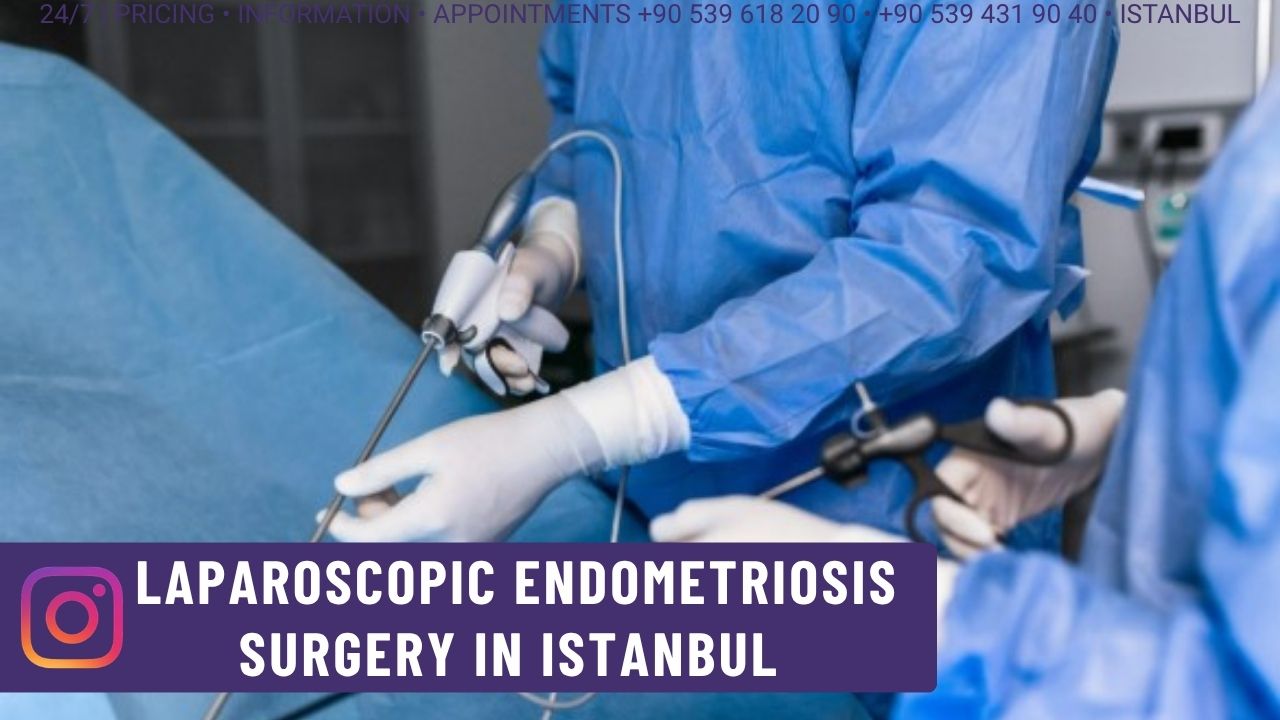
Laparoscopic Endometriosis Surgery in Istanbul, Turkey
Medical illustration representing laparoscopic endometriosis surgery, a minimally invasive surgical approach used in selected patients to excise endometriotic lesions, treat adhesions and manage ovarian endometriomas. Surgical planning in Istanbul, Turkey, considers disease extent, ovarian reserve and reproductive goals.
Planning Endometriosis Treatment in Istanbul?
If you are considering Endometriosis treatment in Istanbul, you can contact our clinic to discuss your medical needs and appointment planning.
For international patients, consultation, ultrasound assessment, surgical treatment and postoperative care can be planned according to the individual medical situation.
Book a Consultation
Contact Us
Table of Contents
Toggle