Hysteroscopy in Istanbul, Turkey
Diagnostic and Operative Hysteroscopy
Hysteroscopy is a minimally invasive gynecological procedure used to examine the inside of the uterus and diagnose or treat conditions affecting the uterine cavity.
During the procedure, a thin optical instrument called a hysteroscope is introduced through the vagina and cervix into the uterus. This allows direct visualization of the endometrial cavity and, when necessary, treatment of certain intrauterine abnormalities.
Hysteroscopy is an important method in modern gynecological practice, particularly in the evaluation of abnormal uterine bleeding, endometrial polyps, submucosal fibroids, and intrauterine adhesions.

Modern hysteroscopy techniques for diagnosing and treating uterine cavity conditions.
Hysteroscopy in Istanbul, Turkey, is a minimally invasive gynecological procedure used to examine the uterine cavity and diagnose or treat conditions such as endometrial polyps, submucosal fibroids, and intrauterine adhesions.
What Conditions Can Hysteroscopy Diagnose or Treat?
Hysteroscopy may be recommended when clinical examination or ultrasound findings suggest an abnormality inside the uterine cavity.
Common indications include:
- Endometrial polyps
- Submucosal uterine fibroids
- Intrauterine adhesions
- Uterine septum
- Abnormal uterine bleeding
- Suspected retained tissue within the uterine cavity
- Selected cases of infertility or recurrent pregnancy loss
- Removal of certain intrauterine foreign bodies
The indication for hysteroscopy is determined according to the patient’s symptoms, examination findings, ultrasound results, and medical history.
Diagnostic Hysteroscopy
Diagnostic hysteroscopy is performed to examine the uterine cavity directly.
It can help identify abnormalities that may not be fully characterized by ultrasound alone. The procedure also allows targeted endometrial sampling or biopsy when clinically indicated.
Diagnostic hysteroscopy may be considered in patients with:
- Unexplained abnormal uterine bleeding
- Suspected endometrial polyps
- Suspected intrauterine adhesions
- Abnormal findings on pelvic ultrasound
- Selected infertility investigations
- Recurrent pregnancy loss requiring evaluation of the uterine cavity
Operative Hysteroscopy
Operative hysteroscopy allows the treatment of selected intrauterine conditions under direct visual guidance.
Specialized instruments are passed through the hysteroscope to remove or treat the identified pathology.
Depending on the clinical findings, operative hysteroscopy may include:
Hysteroscopic Polypectomy
Endometrial polyps are localized growths arising from the uterine lining. They may be associated with abnormal uterine bleeding and, in selected patients, reproductive problems.
Hysteroscopic polypectomy involves the removal of these polyps under direct visualization while preserving the surrounding endometrial tissue as much as possible.
Hysteroscopic Myomectomy
Submucosal fibroids develop within the uterine muscle and may project into the uterine cavity. Depending on their size, location, and depth of penetration into the myometrium, they may cause heavy menstrual bleeding or affect reproductive outcomes.
Hysteroscopic myomectomy is used to remove suitable submucosal fibroids through the cervix without abdominal incisions.
The feasibility and extent of treatment depend on the fibroid’s characteristics and the patient’s clinical assessment.
Intrauterine Adhesiolysis
Intrauterine adhesions are bands of scar tissue that partially or completely connect the walls of the uterine cavity.
They may develop following uterine procedures, pregnancy-related events, or intrauterine infection. Depending on their severity, adhesions can be associated with menstrual abnormalities and reproductive problems.
Hysteroscopic adhesiolysis involves the careful division of these adhesions under direct visualization.
Uterine Septum Assessment and Treatment
A uterine septum is a congenital structural variation in which a partition extends into the uterine cavity.
In selected patients, hysteroscopy may be used to assess and treat a septum. The decision to perform treatment depends on the anatomical findings and reproductive history.
How Is Hysteroscopy Performed?
Hysteroscopy is performed by introducing a hysteroscope through the cervical canal into the uterine cavity.
The uterine cavity is gently expanded using a suitable distension medium to provide clear visualization.
The procedure generally involves the following stages:
- Preoperative gynecological assessment and review of imaging findings.
- Selection of the appropriate anesthesia or pain-management approach.
- Introduction of the hysteroscope through the cervix.
- Examination of the uterine cavity under direct vision.
- Biopsy or operative treatment when indicated.
- Post-procedure observation and discharge planning.
The duration and complexity of the procedure depend on whether it is diagnostic or operative and on the pathology being treated.
Anesthesia Options
The anesthesia approach is selected according to the type of hysteroscopy, expected procedural complexity, patient preference, and clinical assessment.
Depending on the circumstances, hysteroscopy may be performed with:
- No anesthesia or appropriate pain relief for selected diagnostic procedures
- Local anesthesia
- Intravenous sedation
- General anesthesia
More extensive operative procedures may require an operating-room setting and anesthesia support.
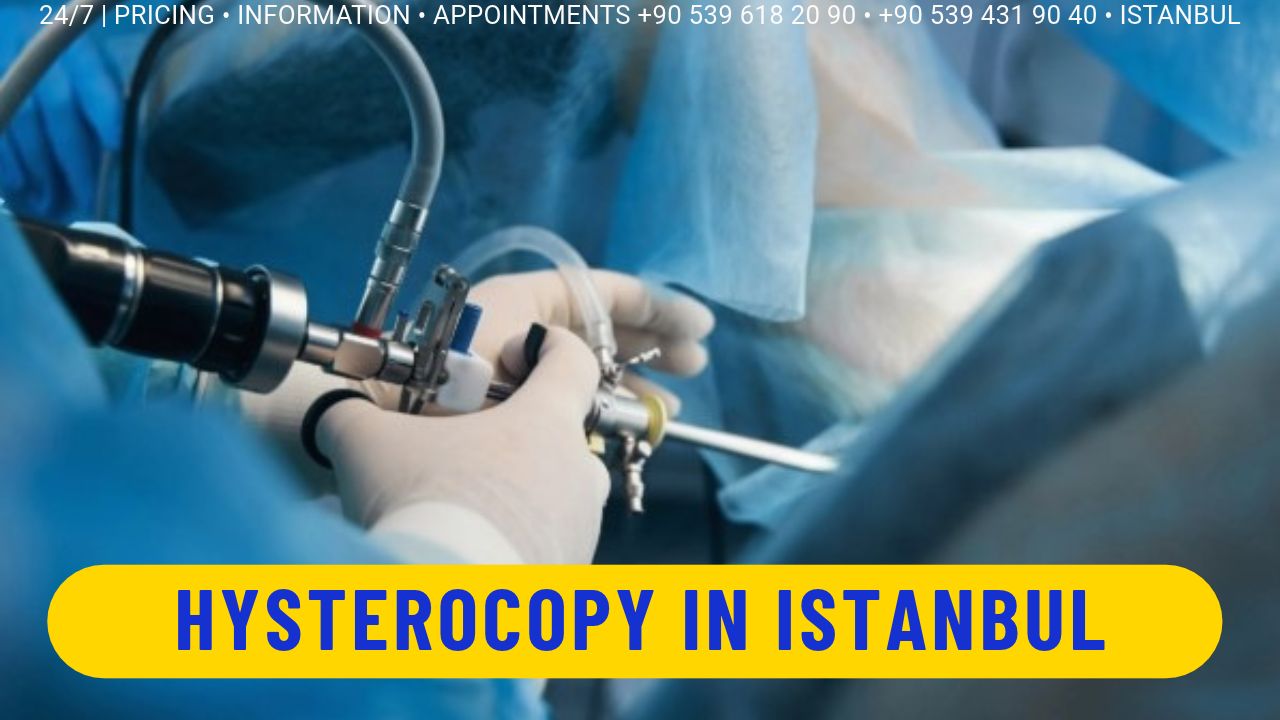
Diagnostic Hysteroscopy and Uterine Cavity Examination
Diagnostic hysteroscopy allows direct examination of the uterine cavity using a thin optical instrument. It is used to investigate abnormal uterine bleeding and identify conditions such as endometrial polyps, intrauterine adhesions, and other endometrial abnormalities.
Preparation Before Hysteroscopy
Before the procedure, the patient’s medical history, symptoms, previous investigations, and ultrasound findings are reviewed.
Preparation may include:
- Gynecological examination
- Pelvic or transvaginal ultrasound
- Pregnancy exclusion when relevant
- Review of medications and medical conditions
- Pre-anesthesia assessment when required
- Discussion of the planned procedure and possible risks
For patients with regular menstrual cycles, diagnostic hysteroscopy is generally scheduled after menstruation, during the follicular phase, when visualization of the uterine cavity may be more favorable.
Recovery After Hysteroscopy
Recovery depends on the type of hysteroscopy and the anesthesia used.
After the procedure, patients may experience:
- Mild menstrual-like cramping
- Light vaginal bleeding or spotting
- Temporary fatigue, particularly after anesthesia
Most patients undergoing uncomplicated hysteroscopy can return to their usual activities relatively quickly. The timing depends on the extent of the procedure and individual recovery.
Patients receive postoperative instructions regarding physical activity, sexual intercourse, vaginal products, and follow-up appointments.
Fever, worsening pelvic pain, heavy bleeding, or foul-smelling vaginal discharge should prompt medical assessment.
Risks and Possible Complications
Hysteroscopy is generally a safe procedure, but complications can occur.
Potential risks include:
- Uterine perforation
- Cervical injury
- Bleeding
- Infection
- Fluid-related complications during operative procedures
- Incomplete removal of the targeted pathology
- Intrauterine adhesion formation in selected cases
The risk profile depends on the type and complexity of the procedure, the underlying pathology, and individual patient factors.
Appropriate patient selection, surgical planning, and intraoperative monitoring are important parts of procedural safety.
Hysteroscopy and Fertility
Hysteroscopy can play an important role in evaluating selected uterine cavity abnormalities in patients experiencing infertility or recurrent pregnancy loss.
Conditions such as endometrial polyps, intrauterine adhesions, and certain uterine septa may be identified through direct visualization.
When an abnormality is detected, treatment decisions are individualized according to the patient’s reproductive history, anatomical findings, and current evidence.
Hysteroscopy does not guarantee pregnancy, but it can help diagnose and manage selected conditions affecting the uterine cavity.
Hysteroscopy for International Patients in Istanbul
International patients considering hysteroscopy in Istanbul can contact our clinic to arrange an initial consultation.
Whenever possible, previous ultrasound reports, medical records, and relevant laboratory results should be shared before travelling.
The treatment pathway may include:
- Initial review of medical information
- Gynecological consultation and ultrasound when indicated
- Confirmation of the need for diagnostic or operative hysteroscopy
- Discussion of anesthesia and procedural planning
- Postoperative assessment and follow-up instructions
The timing of the procedure is determined after medical evaluation and confirmation of clinical suitability.
For further information about arranging medical care from abroad, visit our International Patients in Istanbul page.
Hysteroscopy Cost in Istanbul, Turkey
The cost of hysteroscopy in Istanbul depends on the type of procedure, the complexity of the uterine condition, the anesthesia method, and the hospital or operating-room requirements.
Diagnostic hysteroscopy and operative procedures such as hysteroscopic polypectomy, myomectomy, or intrauterine adhesiolysis may have different costs.
For detailed pricing information, please contact our clinic. Following an initial medical assessment, we can provide information about the recommended procedure and its estimated cost.
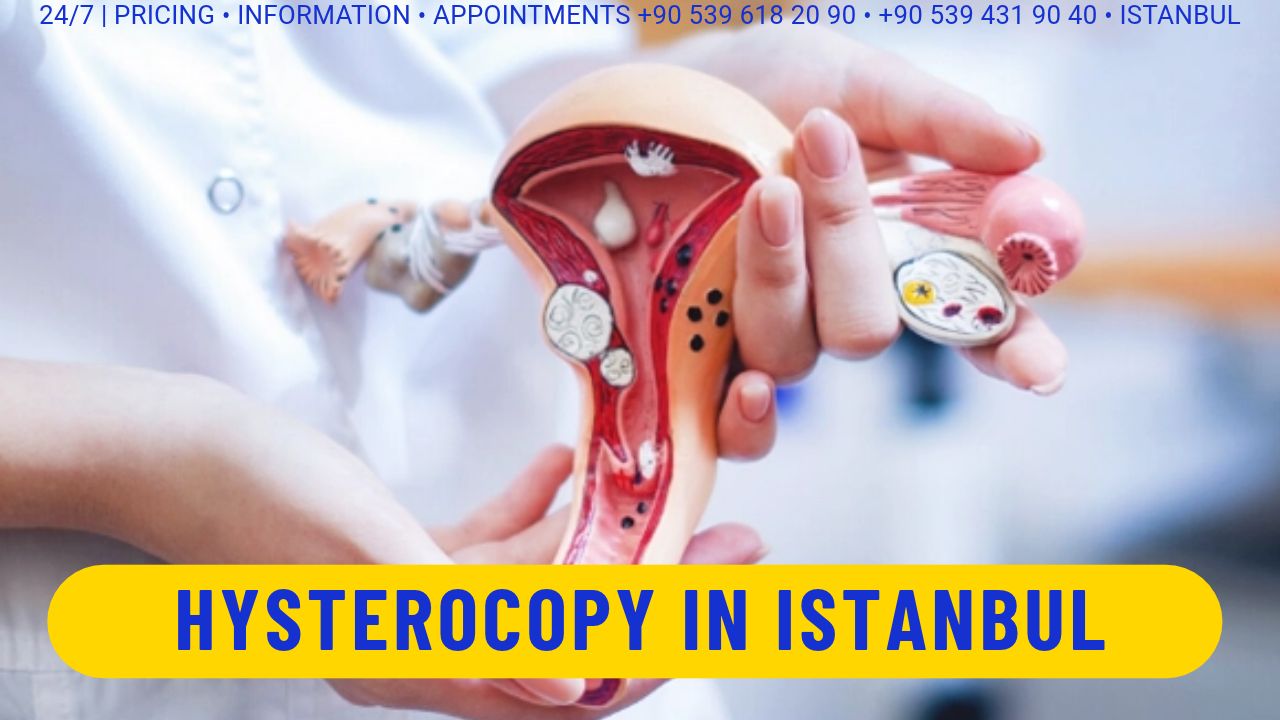
Hysteroscopic Polypectomy for Endometrial Polyps
Hysteroscopic polypectomy is a minimally invasive procedure used to remove endometrial polyps from the uterine cavity. The procedure is performed under direct hysteroscopic visualization and aims to remove the polyp while preserving surrounding endometrial tissue as much as possible.
Frequently Asked Questions About Hysteroscopy in Istanbul, Turkey
Is hysteroscopy a major operation?
Diagnostic hysteroscopy is generally a minimally invasive procedure. Operative hysteroscopy may involve more extensive treatment depending on the size and type of intrauterine pathology.
Can an endometrial polyp be removed during hysteroscopy?
Yes. Endometrial polyps can often be removed during operative hysteroscopy under direct visualization.
Can uterine fibroids be treated with hysteroscopy?
Selected submucosal fibroids can be removed hysteroscopically. Suitability depends on their size, location, and depth of penetration into the uterine muscle.
Is general anesthesia necessary for hysteroscopy?
Not always. Some diagnostic procedures can be performed with local anesthesia or other pain-management options. More extensive operative procedures may require general anesthesia.
How long does recovery take?
Recovery varies according to the procedure and anesthesia. Many patients return to normal daily activities within a short period after an uncomplicated procedure.
Can hysteroscopy improve fertility?
Treatment of certain uterine cavity abnormalities may be beneficial in selected patients with infertility or recurrent pregnancy loss. The potential benefit depends on the underlying condition and individual circumstances.
Book a Gynecological Consultation in Istanbul
If you have been diagnosed with an endometrial polyp, submucosal fibroid, intrauterine adhesion, or another uterine cavity abnormality, a gynecological consultation can help determine whether hysteroscopy is appropriate.
Contact our clinic in Istanbul, Turkey, to arrange an appointment and discuss your diagnostic or surgical treatment options.
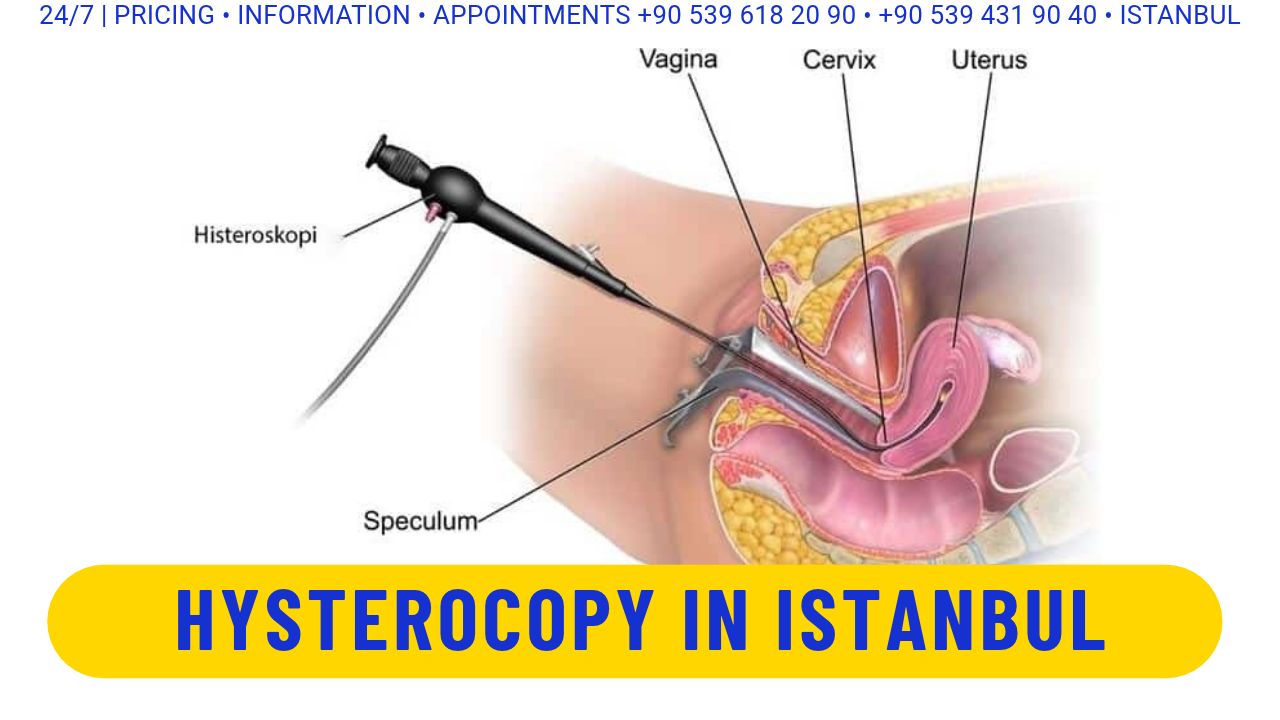
Operative hysteroscopy provides minimally invasive treatment for selected uterine cavity abnormalities.
Operative hysteroscopy is used to treat selected conditions affecting the uterine cavity, including endometrial polyps, suitable submucosal fibroids, and intrauterine adhesions. Specialized instruments are introduced through the hysteroscope, allowing treatment under direct visualization without abdominal incisions.
Planning Hysteroscopy in Istanbul?
If you are considering surgical abortion in Istanbul, you can contact our clinic to discuss your medical needs and appointment planning.
For international patients, consultation, ultrasound assessment, and postoperative care can be planned according to the individual medical situation.
Book a Consultation
Contact Us
Table of Contents
Toggle