Ovarian Cyst Surgery in Istanbul, Turkey
Ovarian cysts are fluid-filled or solid-containing structures that develop in or on the ovaries. Many ovarian cysts are benign and resolve without treatment, while others may require regular monitoring or surgical intervention.
Ovarian cyst surgery in Istanbul, Turkey, may be recommended when a cyst causes persistent symptoms, grows over time, has suspicious ultrasound features, or creates a risk of complications. The appropriate treatment depends on the characteristics of the cyst and the patient’s individual medical condition.
Our approach focuses on accurate diagnosis, appropriate treatment planning, and preservation of healthy ovarian tissue whenever medically possible.
What Are Ovarian Cysts?
Ovarian cysts are common gynecological findings. They may develop during the menstrual cycle or occur as a result of different ovarian conditions.
Most ovarian cysts are benign. However, their size, appearance, growth pattern and associated symptoms should be evaluated carefully.
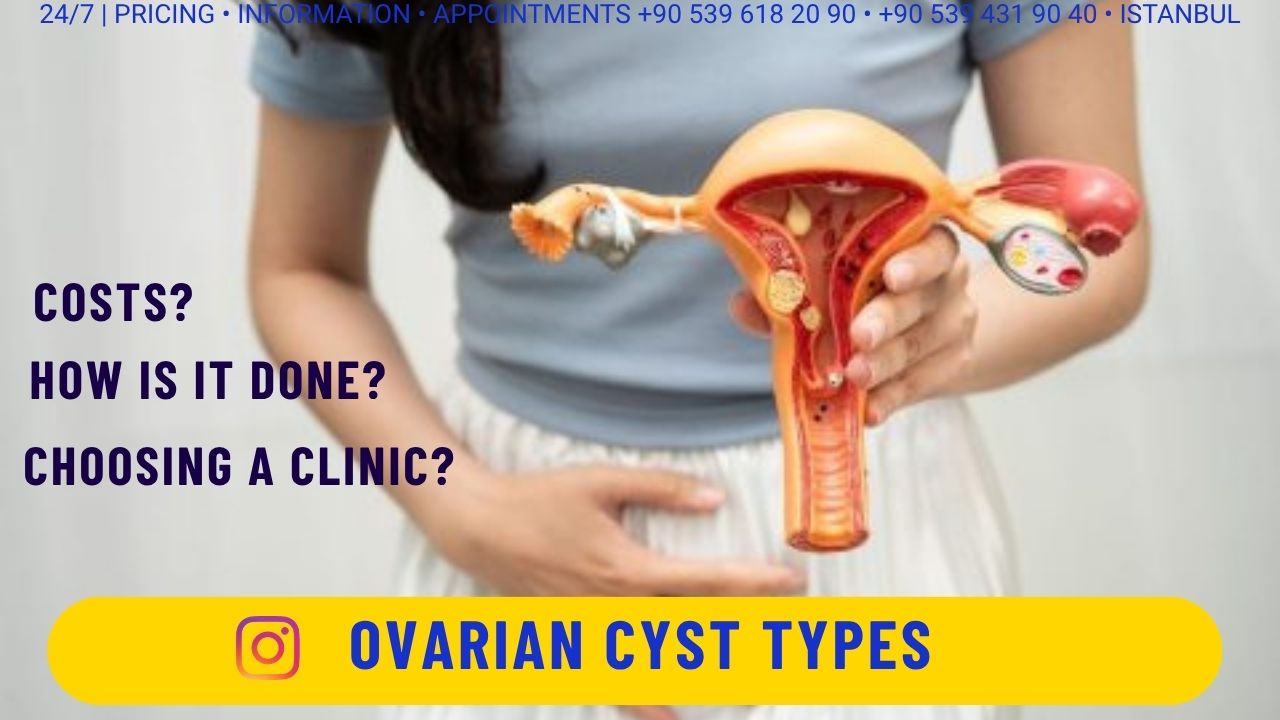
Common types of ovarian cysts include:
- Functional cysts: These develop during the normal menstrual cycle and often disappear spontaneously.
- Follicular cysts: These occur when a follicle does not release an egg or does not regress as expected.
- Corpus luteum cysts: These develop after ovulation and may contain fluid or blood.
- Endometriomas: These are associated with endometriosis and contain old blood.
- Dermoid cysts: Also known as mature cystic teratomas, these may contain different types of tissue.
- Cystadenomas: These develop from ovarian tissue and may contain fluid or mucinous material.
The type of cyst is an important factor in determining whether observation or surgery is appropriate.
Symptoms of Ovarian Cysts
Many ovarian cysts do not cause symptoms and are discovered during routine gynecological ultrasound examinations.
When symptoms occur, they may include:
- Pelvic pain or discomfort
- Lower abdominal pressure or fullness
- Abdominal bloating
- Pain during sexual intercourse
- Changes in menstrual bleeding
- Frequent urination due to pressure on the bladder
- Discomfort during physical activity
Sudden, severe pelvic pain, especially when accompanied by nausea, vomiting, fever, dizziness or fainting, requires urgent medical assessment. These symptoms may indicate ovarian torsion, cyst rupture or internal bleeding.
When Is Ovarian Cyst Surgery Necessary?
Not every ovarian cyst requires surgery. Many functional cysts resolve naturally and can be followed with ultrasound examinations.
Surgery may be considered in situations such as:
- Persistent or enlarging ovarian cysts
- Large cysts associated with symptoms
- Cysts with complex or suspicious ultrasound findings
- Ovarian dermoid cysts requiring removal
- Endometriomas causing significant symptoms or other clinical concerns
- Suspected complications such as torsion or rupture
- Uncertainty about the nature of an ovarian mass
The decision should be based on the patient’s symptoms, ultrasound findings, age, menopausal status and individual risk factors.
Preoperative Evaluation
Before ovarian cyst surgery, a detailed gynecological assessment is performed to determine the most appropriate treatment approach.
The evaluation may include:
- Medical and gynecological history
- Pelvic examination when appropriate
- Transvaginal or abdominal ultrasound
- Assessment of cyst size and internal structure
- Blood tests when clinically indicated
- Tumor marker evaluation in selected patients
- Additional imaging when necessary
- Anesthesia assessment before surgery
The ultrasound appearance of an ovarian mass is particularly important. Features such as solid components, septations, papillary projections, blood flow and the presence of ascites may influence further evaluation and surgical planning.
In selected patients, additional assessment by a gynecologic oncology specialist may be appropriate.
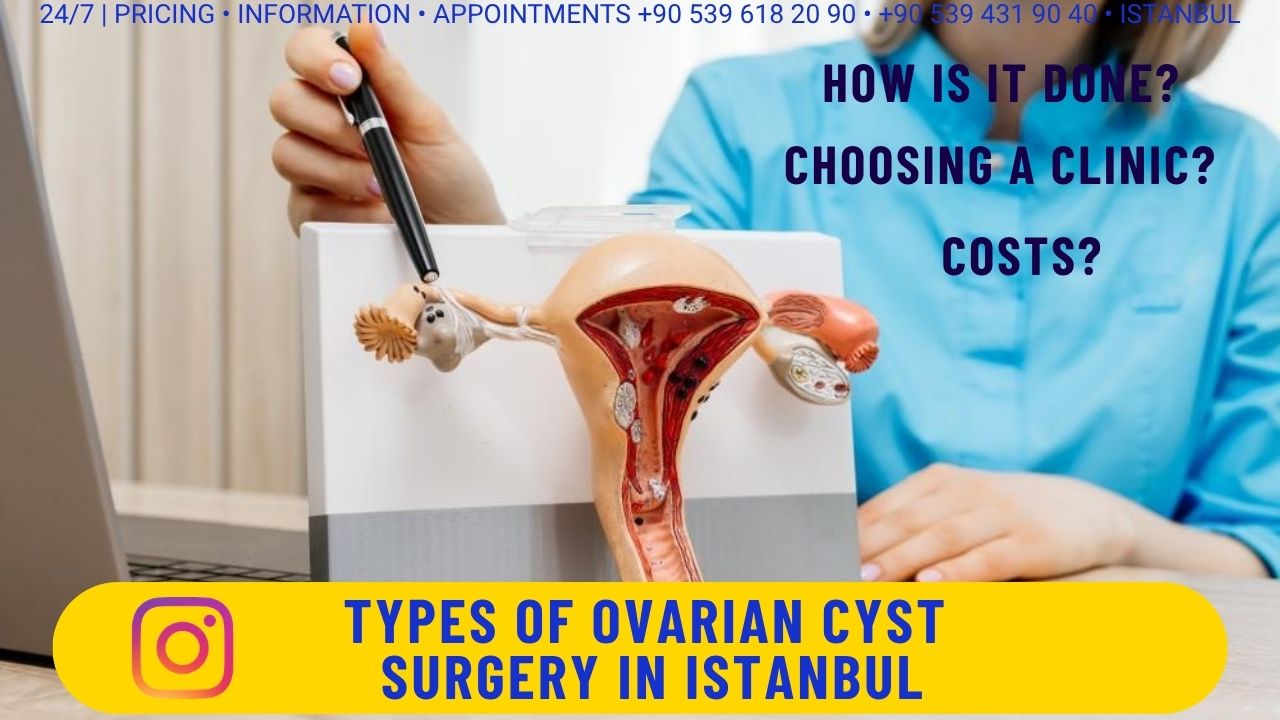
Types of Ovarian Cyst Surgery
The surgical technique is selected according to the size and characteristics of the cyst, the patient’s medical history and the possibility of preserving ovarian function.
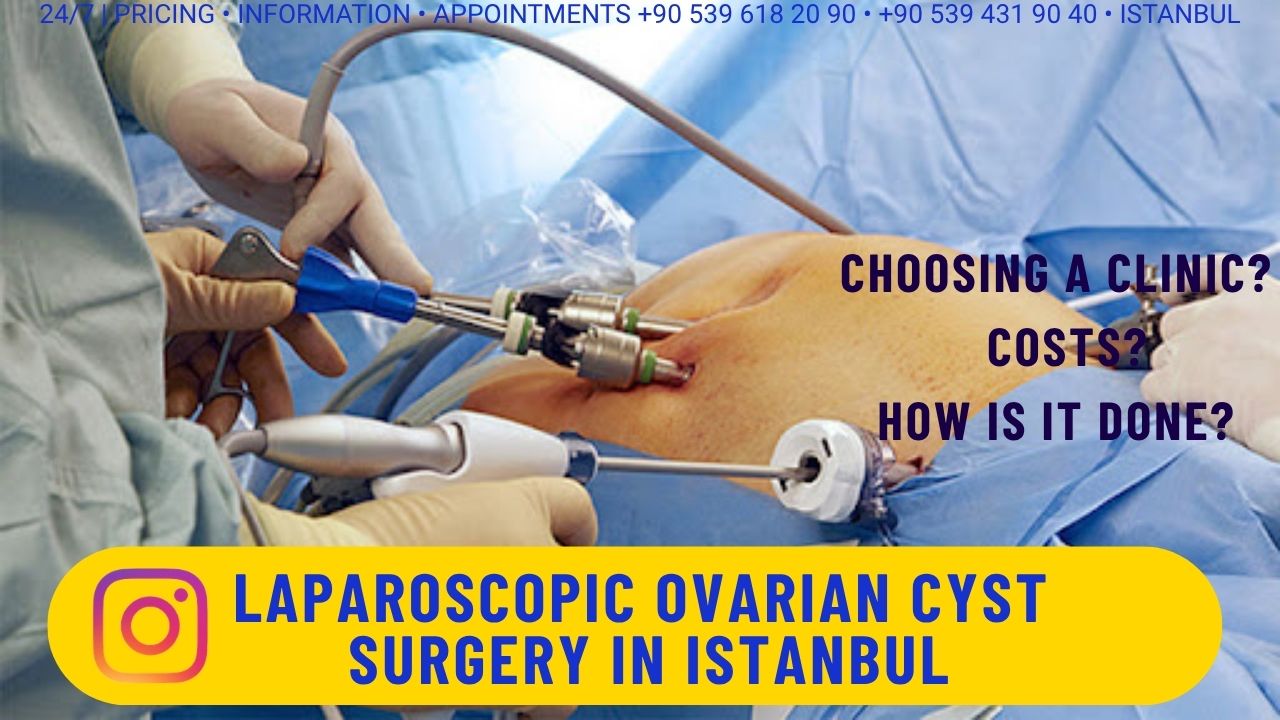
1. Laparoscopic Ovarian Cystectomy
Laparoscopic ovarian cystectomy is a minimally invasive procedure performed through small abdominal incisions using a camera and specialized surgical instruments.
During the operation, the cyst is separated from the surrounding ovarian tissue and removed while preserving as much healthy ovarian tissue as possible.
Potential advantages include:
- Smaller abdominal incisions
- Less postoperative discomfort in many patients
- Shorter hospital stay in suitable cases
- Faster recovery compared with open surgery in many situations
Laparoscopy is not appropriate for every ovarian mass. The surgical approach must be selected carefully, particularly when malignancy is suspected.
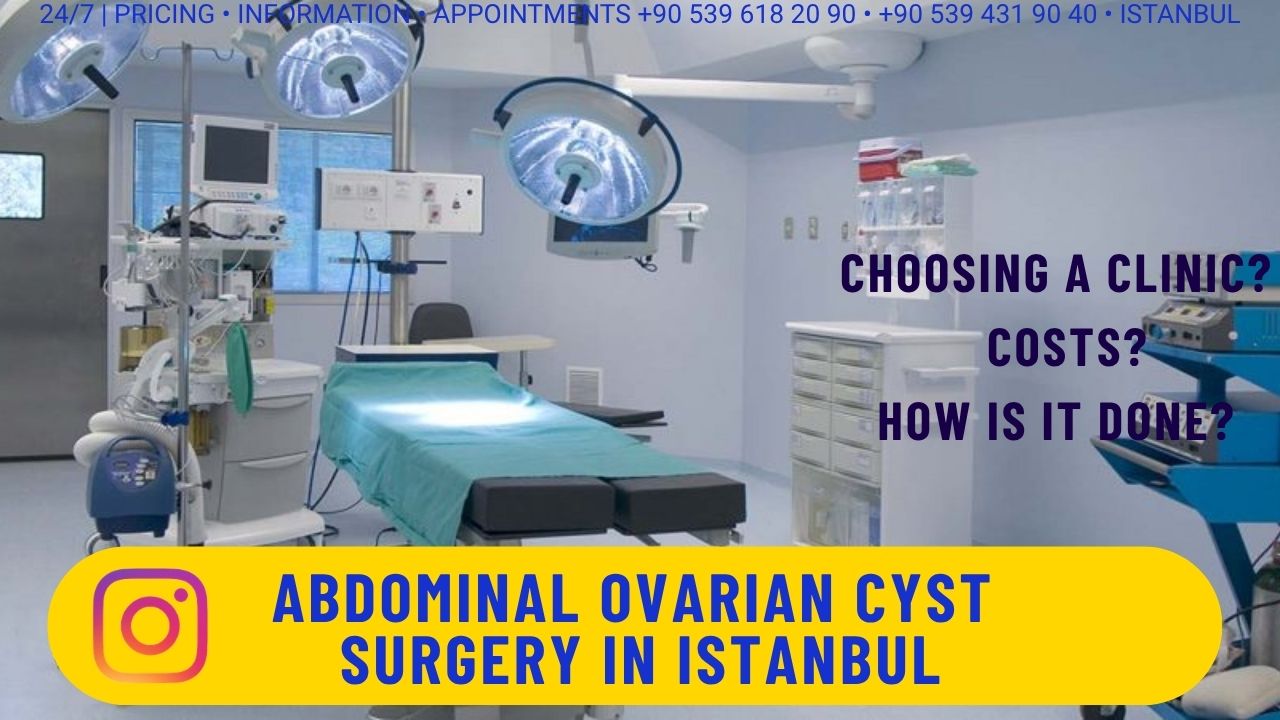
2. Open Ovarian Cyst Surgery
Open surgery, also known as laparotomy, may be necessary for selected patients.
It may be considered when:
- The cyst is very large
- The mass has complex features
- There is significant concern about malignancy
- Safe removal through laparoscopy is not considered appropriate
- Other clinical or surgical factors require an open approach
The incision and surgical plan depend on the patient’s condition and the characteristics of the ovarian mass.
3. Oophorectomy
In some cases, removal of the affected ovary may be necessary. This procedure is called oophorectomy.
It may be considered when the ovarian tissue cannot be safely preserved, when the ovary is severely damaged, or when the characteristics of the mass require removal of the ovary.
Oophorectomy is different from ovarian cystectomy, in which the cyst is removed while retaining the ovary.
The decision to remove an ovary should be individualized, considering the patient’s age, reproductive plans, ovarian function and surgical findings.
Ovarian Tissue Preservation and Fertility
Preserving healthy ovarian tissue is an important consideration, particularly for patients who wish to have children in the future.
Whenever medically appropriate, ovarian cystectomy may be preferred over removal of the entire ovary.
However, ovarian surgery can sometimes reduce ovarian reserve, especially in patients undergoing surgery for endometriomas or repeat ovarian procedures.
For patients planning pregnancy, the following factors may be considered:
- Age and reproductive plans
- Type and size of the ovarian cyst
- Ovarian reserve assessment when indicated
- Previous ovarian surgery
- Possible effects of surgery on ovarian function
Surgery does not guarantee improved fertility. In selected patients, the benefits and potential effects of surgery should be carefully discussed before treatment.
What Happens During Ovarian Cyst Surgery?
The procedure is generally performed under general anesthesia.
The surgical steps depend on the selected technique and the nature of the cyst.
During laparoscopic surgery:
- Small incisions are made in the abdominal wall.
- A camera and surgical instruments are introduced.
- The pelvic organs and ovarian cyst are examined.
- The cyst is carefully separated from the ovarian tissue when appropriate.
- The cyst is removed using a suitable technique.
- The surgical area is checked for bleeding.
- The removed tissue is sent for pathological examination.
The exact procedure may differ depending on the cyst’s size, location and characteristics.
Recovery After Ovarian Cyst Surgery
Recovery depends on the surgical technique, the size of the cyst and the patient’s general health.
After laparoscopic ovarian cystectomy, many patients can return home on the same day or after a short hospital stay, depending on their condition and hospital protocol.
Common postoperative experiences may include:
- Mild abdominal discomfort
- Temporary bloating
- Shoulder discomfort after laparoscopy
- Light vaginal spotting
- Temporary fatigue
Patients should follow their surgeon’s instructions regarding physical activity, wound care, medication and follow-up appointments.
Recovery after open surgery generally takes longer than after laparoscopic surgery.
Risks and Possible Complications
Ovarian cyst surgery is generally performed safely when appropriately indicated. However, as with any surgical procedure, potential risks should be discussed before treatment.
Possible complications include:
- Bleeding
- Infection
- Injury to nearby organs
- Anesthesia-related complications
- Formation of postoperative adhesions
- Leakage or rupture of the cyst during removal
- Loss of healthy ovarian tissue
- Reduced ovarian reserve
- Need for additional surgery in selected cases
The risks vary according to the patient’s condition, the cyst’s characteristics and the surgical approach.
Ovarian Cyst Surgery Cost in Istanbul
The cost of ovarian cyst surgery in Istanbul depends on several factors, including the size and type of the cyst, the surgical technique, the complexity of the procedure, anesthesia requirements and hospital facilities.
Laparoscopic ovarian cystectomy and open ovarian surgery may have different costs.
A personalized cost estimate can be provided after reviewing the patient’s medical history, ultrasound findings and recommended treatment plan.
For detailed information about ovarian cyst surgery in Istanbul, please contact our clinic.
Ovarian Cyst Surgery for International Patients
Patients traveling to Istanbul for ovarian cyst surgery should undergo an initial medical evaluation before planning their procedure.
Previous ultrasound reports, medical records and relevant laboratory results can help with the initial assessment.
The treatment process may include:
- Review of previous medical records
- Gynecological consultation and ultrasound assessment
- Surgical planning
- Preoperative anesthesia evaluation
- Hospital admission and surgery
- Postoperative monitoring
- Follow-up and travel planning
The recommended length of stay in Istanbul depends on the surgical technique, postoperative recovery and the patient’s individual condition.
Patients should travel only when their treating physician considers them medically fit to do so.
For more information, please visit our International Patients page.
Frequently Asked Questions About Ovarian Cyst Surgery in Istanbul, Turkey
Do all ovarian cysts require surgery?
No. Many ovarian cysts are functional and disappear without treatment. Surgery is considered when a cyst persists, grows, causes symptoms or has concerning features.
Is laparoscopic ovarian cyst surgery possible?
Yes. Laparoscopic ovarian cystectomy is commonly used for suitable benign ovarian cysts. However, the appropriate technique depends on the size and characteristics of the mass.
Can an ovarian cyst be removed without removing the ovary?
Yes. Ovarian cystectomy involves removing the cyst while preserving the remaining ovarian tissue whenever possible.
Does ovarian cyst surgery affect fertility?
It can, depending on the type of cyst, the surgical technique and the amount of ovarian tissue affected. The potential impact on ovarian reserve should be discussed before surgery.
How long does recovery take after laparoscopic ovarian cyst surgery?
Recovery varies between patients. Many patients resume light daily activities within several days, while a full return to normal activities may take longer. Individual postoperative instructions should be followed.
Can ovarian cysts come back after surgery?
Yes. Some types of ovarian cysts may recur after surgery. The risk depends on the underlying condition and the type of cyst removed.
Is ovarian cyst surgery always performed laparoscopically?
No. Open surgery may be more appropriate in selected cases, particularly for very large or suspicious masses.
Schedule a Gynecological Consultation in Istanbul
If you have been diagnosed with an ovarian cyst or have been advised to undergo surgery, a detailed gynecological evaluation can help determine the most appropriate treatment.
Contact our clinic to learn more about ovarian cyst surgery in Istanbul, Turkey, and to arrange a consultation.
Planning Ovarian Cyst Surgery in Istanbul?
If you are considering ovarian cyst surgery in Istanbul, you can contact our clinic to discuss your medical needs and appointment planning.
For international patients, consultation, ultrasound assessment, surgical treatment and postoperative care can be planned according to the individual medical situation.
Book a Consultation
Contact Us