Hysterectomy in Istanbul, Turkey
Uterus Removal Surgery and Surgical Treatment Options
Hysterectomy is a gynecological surgical procedure involving the removal of the uterus. It may be recommended for women with certain benign or malignant gynecological conditions when medical treatment or other uterus-preserving options are unsuitable or have not provided adequate results.
Hysterectomy can be performed using different surgical approaches, including abdominal, vaginal, and laparoscopic techniques. The most appropriate method depends on the underlying condition, uterine size, previous surgical history, pelvic anatomy, and the patient’s overall health.
Hysterectomy in Istanbul, Turkey, involves individualized surgical planning based on clinical findings and the patient’s treatment needs.
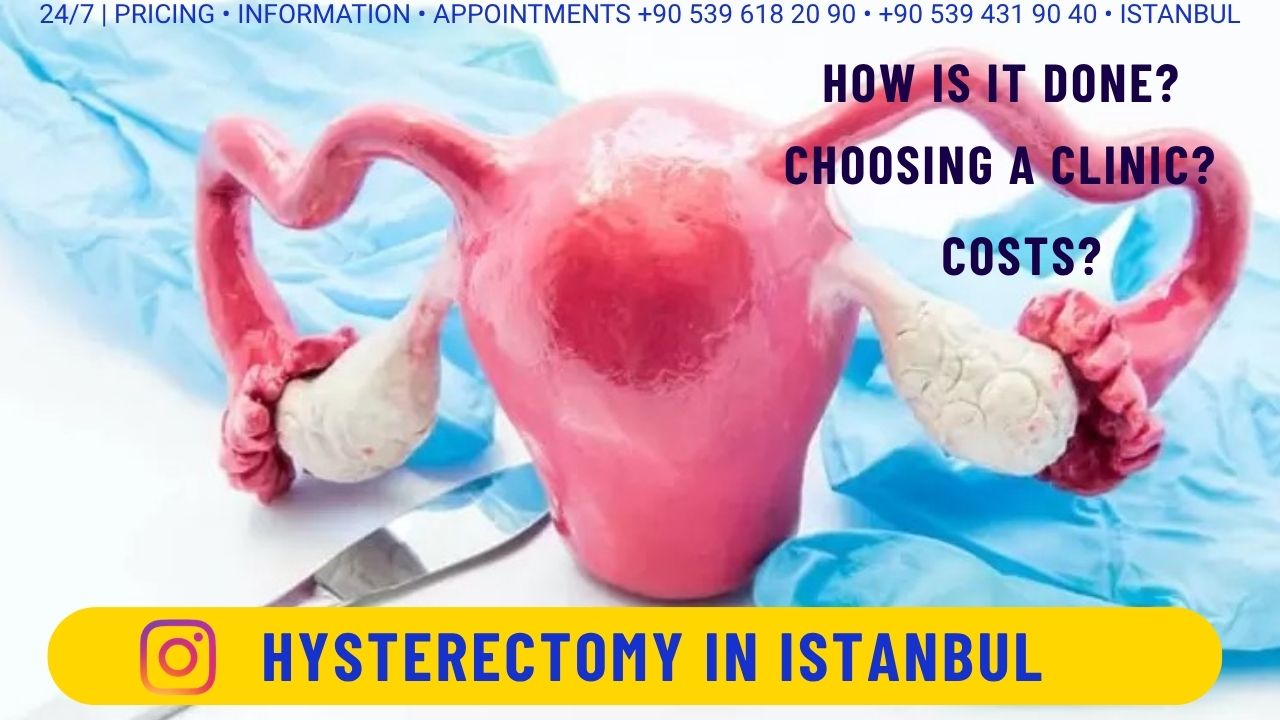
Hysterectomy in Istanbul, Turkey
Hysterectomy is a gynecological surgical procedure involving removal of the uterus. It may be performed using abdominal, vaginal, or laparoscopic techniques depending on the patient's clinical condition and surgical requirements.
What Conditions May Require Hysterectomy?
Hysterectomy may be considered for several gynecological conditions, particularly when symptoms are severe, persistent, or unsuitable for conservative treatment.
Common indications include:
- Symptomatic uterine fibroids
- Persistent abnormal uterine bleeding
- Adenomyosis
- Severe endometriosis in selected cases
- Uterine prolapse
- Chronic pelvic pain associated with specific uterine conditions
- Endometrial hyperplasia with atypia in selected cases
- Certain precancerous or malignant gynecological conditions
The decision to perform hysterectomy is based on the diagnosis, available treatment alternatives, the patient’s symptoms, and reproductive preferences.
For benign conditions, uterus-preserving treatments should be considered when clinically appropriate and consistent with the patient’s wishes.
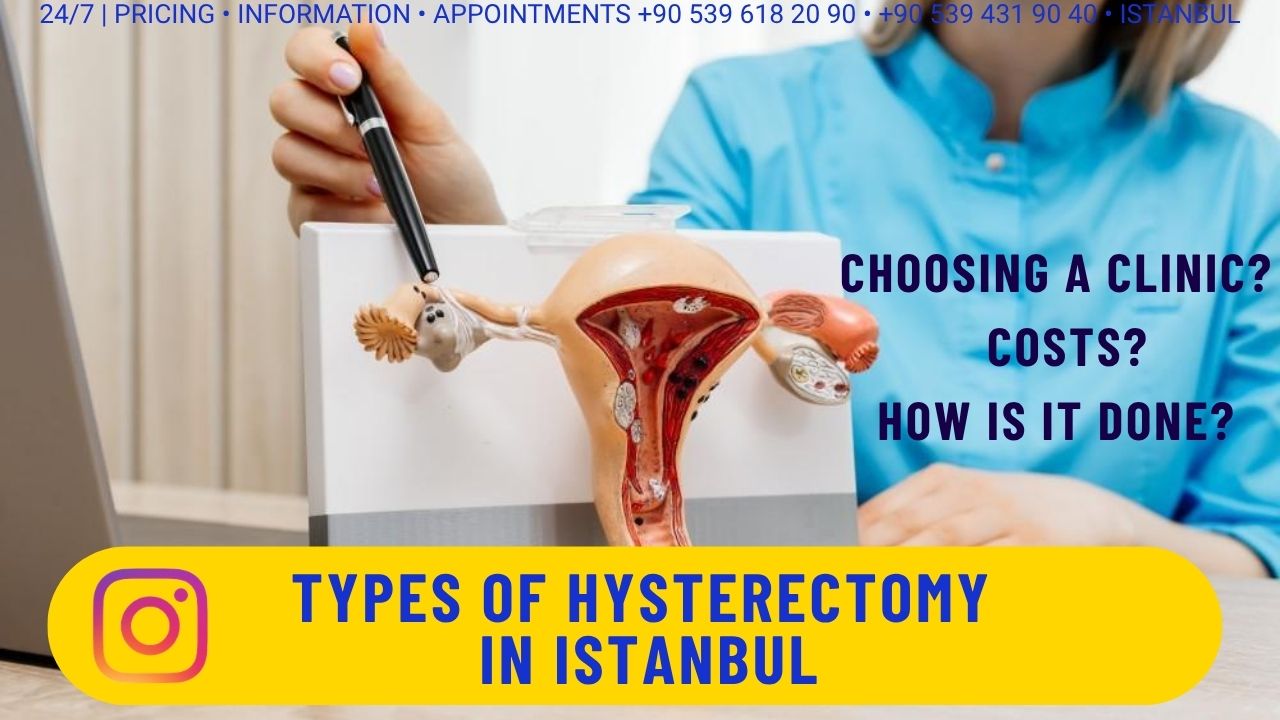
Types of Hysterectomy
Anatomical illustration comparing total hysterectomy, subtotal hysterectomy, and radical hysterectomy, showing the uterus, cervix, and surrounding pelvic structures.
Types of Hysterectomy
Hysterectomy can be classified according to the extent of tissue removal.
Total Hysterectomy
Total hysterectomy involves removal of the uterus and cervix.
It is one of the most commonly performed types of hysterectomy for benign gynecological conditions.
The ovaries and fallopian tubes may be preserved or removed separately, depending on the patient’s medical condition and surgical plan.
Subtotal or Supracervical Hysterectomy
Subtotal hysterectomy involves removal of the uterine body while preserving the cervix.
The decision to preserve or remove the cervix depends on the patient’s clinical circumstances, surgical indication, and informed preference.
Patients undergoing subtotal hysterectomy may continue to require cervical screening according to applicable screening recommendations. Some may also experience residual cyclic bleeding.
Radical Hysterectomy
Radical hysterectomy is an extensive operation generally performed for selected gynecological cancers.
It involves removal of the uterus, cervix, surrounding supporting tissues, and the upper part of the vagina. Lymph node assessment or removal may also be performed depending on the cancer type and treatment plan.
Radical hysterectomy is distinct from hysterectomy performed for benign gynecological conditions and requires specialized oncological evaluation.
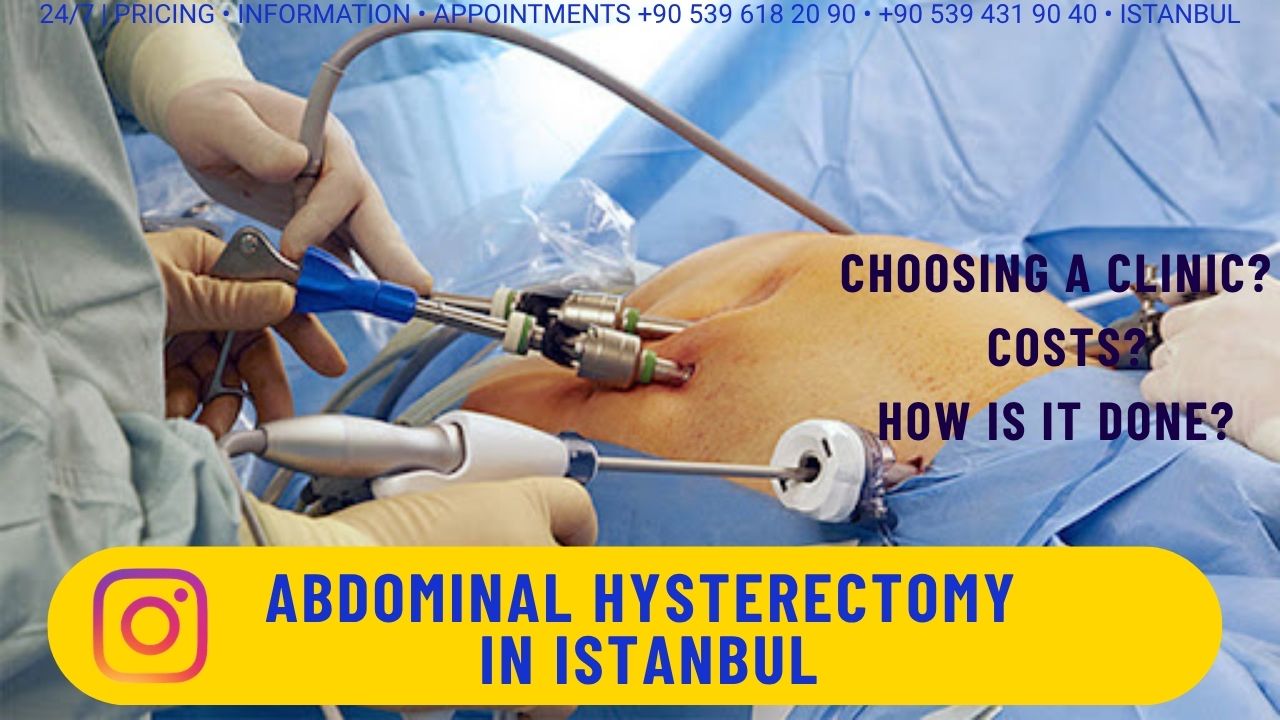
Abdominal Hysterectomy in Istanbul, Turkey
Abdominal hysterectomy is a gynecological surgical procedure in which the uterus is removed through an incision in the abdominal wall. This surgical approach may be selected for patients with an enlarged uterus, complex pelvic conditions, or when vaginal or laparoscopic hysterectomy is not suitable.
Surgical Approaches to Hysterectomy
The surgical route is selected according to the patient’s anatomy, underlying condition, uterine size, previous operations, and the surgeon’s assessment.
1. Abdominal Hysterectomy
Abdominal hysterectomy is performed through an incision in the abdominal wall.
It may be appropriate when the uterus is significantly enlarged, extensive pelvic disease is present, or a vaginal or laparoscopic approach is unsuitable.
The incision may be transverse or vertical, depending on the clinical and surgical requirements.
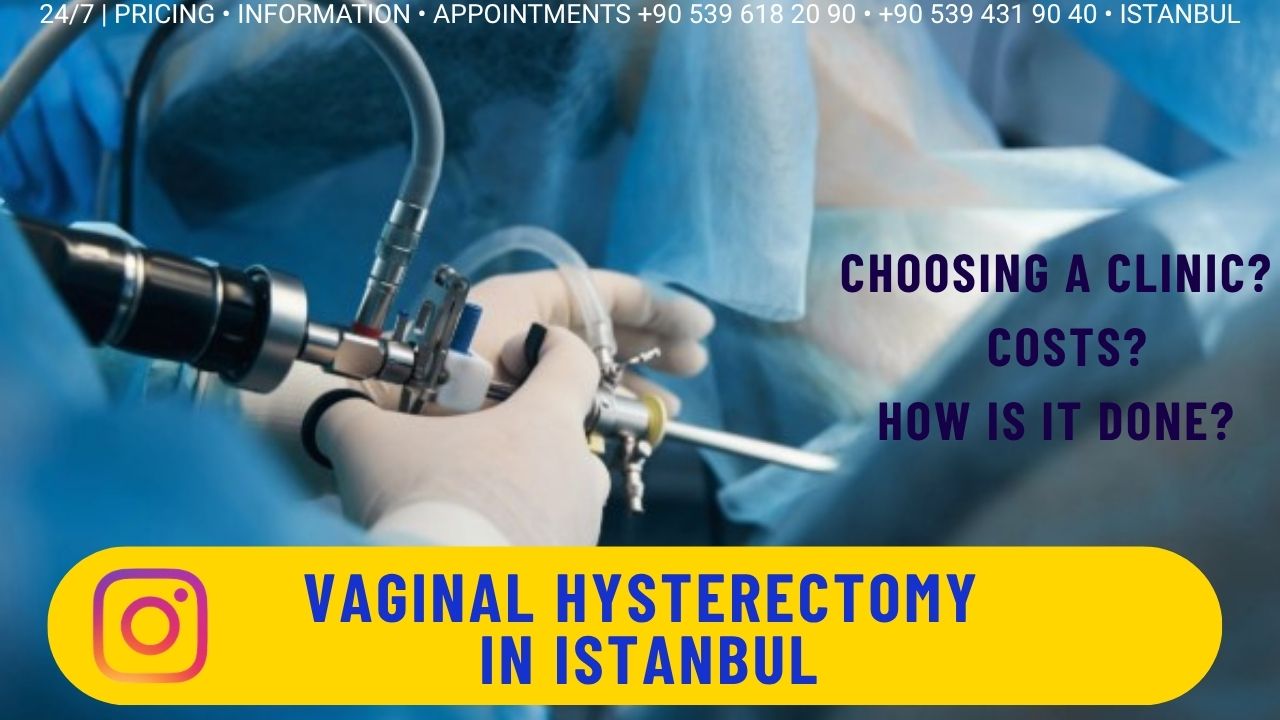
Vaginal Hysterectomy in Istanbul, Turkey
Vaginal hysterectomy is a surgical technique in which the uterus is removed through the vagina without an abdominal incision. It may be suitable for selected patients with benign gynecological conditions or uterine prolapse.
2. Vaginal Hysterectomy
Vaginal hysterectomy involves removal of the uterus through the vagina without an abdominal incision.
It is commonly considered in suitable patients, particularly in cases of uterine prolapse and selected benign uterine conditions.
The feasibility of this approach depends on uterine mobility, pelvic anatomy, uterine size, and other clinical factors.
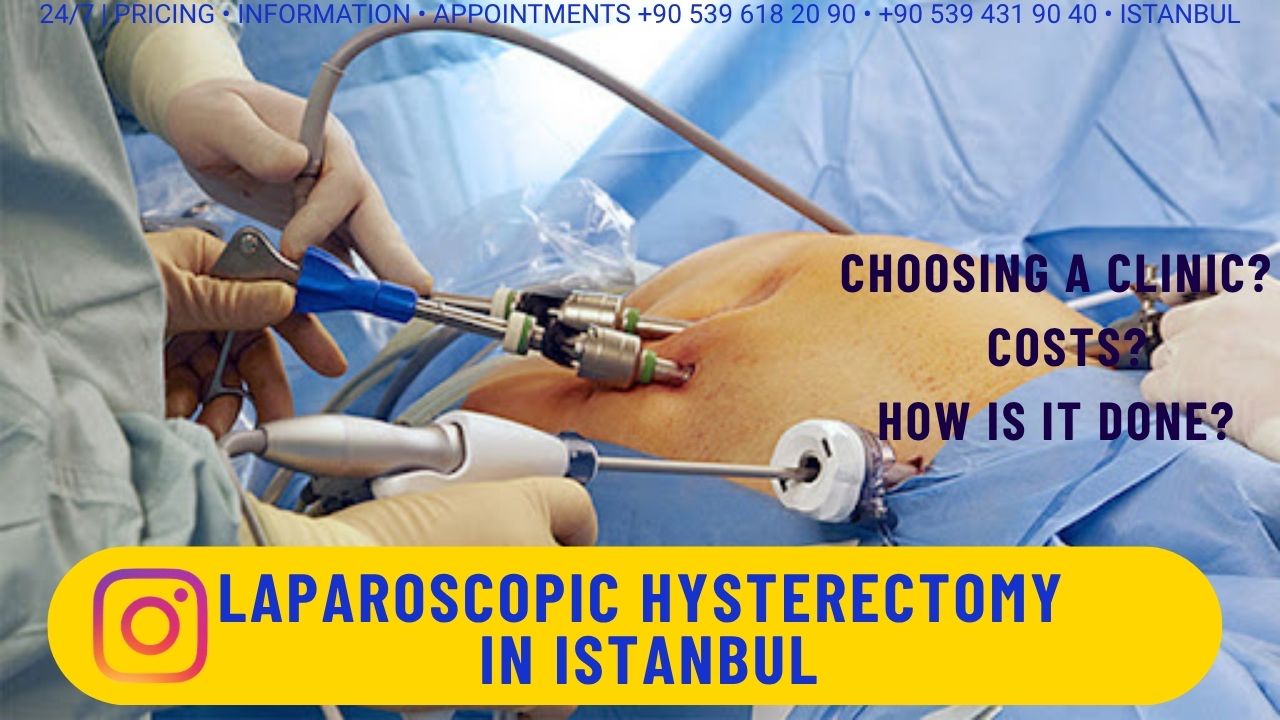
Laparoscopic Hysterectomy in Istanbul, Turkey
Laparoscopic hysterectomy is a minimally invasive surgical procedure performed using a camera and specialized instruments introduced through small abdominal incisions.
3. Laparoscopic Hysterectomy
Laparoscopic hysterectomy is a minimally invasive surgical technique performed through small abdominal incisions.
A camera and specialized instruments are introduced into the abdominal cavity, allowing the surgeon to perform the operation under visual guidance.
Depending on the surgical plan, the procedure may involve laparoscopic dissection of the uterine supporting structures, control of blood vessels, separation of the uterus, and removal through an appropriate route.
Potential advantages in suitable patients include smaller abdominal incisions, reduced postoperative discomfort, and a shorter hospital stay compared with open abdominal surgery.
However, laparoscopic hysterectomy is not appropriate for every patient. The safest surgical route is selected following individual assessment.
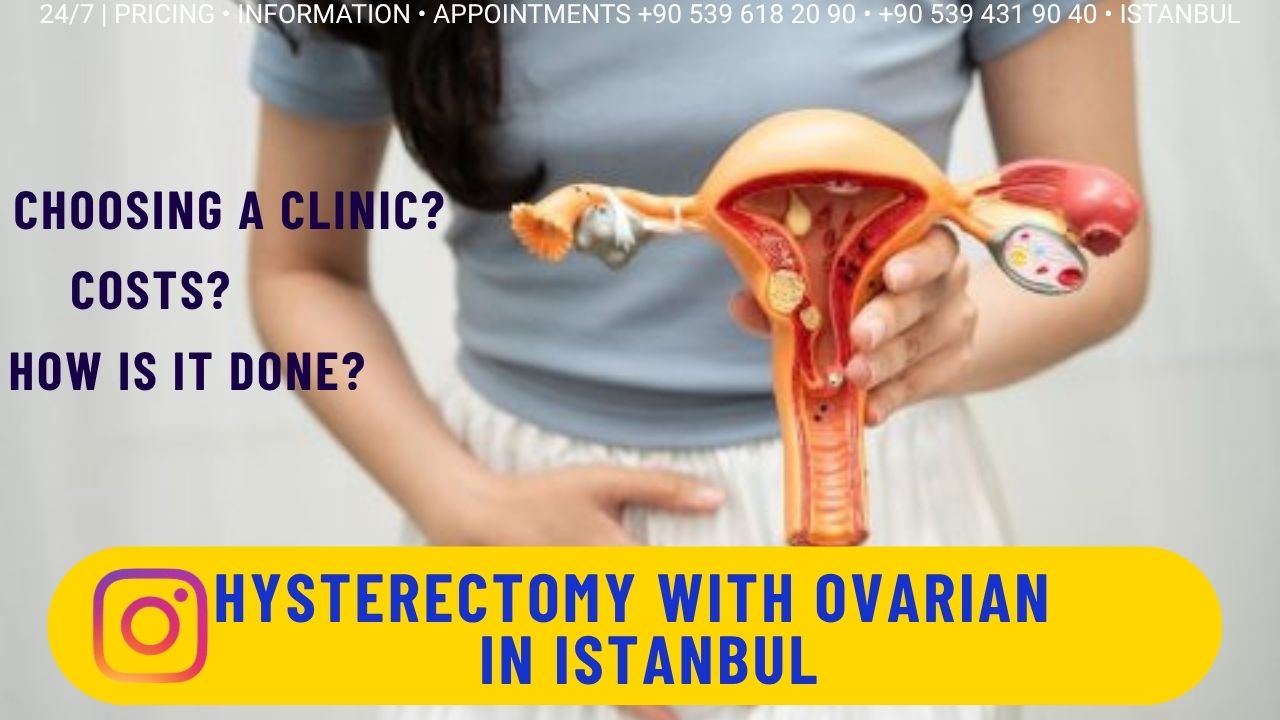
Hysterectomy With Ovarian Preservation
Anatomical illustration demonstrating hysterectomy with preservation of both ovaries. Ovarian preservation may allow continued hormone production until natural menopause when there is no indication for ovarian removal.
Are the Ovaries Removed During Hysterectomy?
Removal of the uterus does not automatically mean removal of the ovaries.
The ovaries are separate organs and may be preserved during hysterectomy when there is no medical indication for their removal.
The surgical plan may include:
- Hysterectomy with preservation of both ovaries
- Hysterectomy with removal of one ovary
- Hysterectomy with removal of both ovaries
- Hysterectomy with removal of the fallopian tubes while preserving the ovaries
The decision depends on the patient’s age, ovarian health, family history, underlying disease, cancer risk, and informed preferences.
Ovarian Preservation
When the ovaries are healthy and there is no specific indication for removal, ovarian preservation may be considered.
Preserving ovarian function can help maintain endogenous hormone production and avoid immediate surgical menopause.
Bilateral Oophorectomy
Bilateral oophorectomy refers to removal of both ovaries.
When performed before natural menopause, it causes an abrupt reduction in ovarian hormone production and results in surgical menopause.
The potential benefits and long-term consequences should be carefully discussed before surgery.
Salpingectomy
Salpingectomy is the surgical removal of one or both fallopian tubes.
In selected patients undergoing hysterectomy, removal of the fallopian tubes while preserving healthy ovaries may be considered as a strategy to reduce the risk of certain epithelial ovarian cancers.
The decision is individualized according to the patient’s clinical circumstances.
Preoperative Evaluation Before Hysterectomy
A detailed preoperative assessment is essential for selecting the appropriate surgical approach and identifying potential risks.
The evaluation may include:
- Detailed gynecological and medical history
- Physical and pelvic examination
- Transvaginal or pelvic ultrasound
- Review of previous gynecological investigations
- Cervical screening when indicated
- Endometrial sampling when clinically necessary
- Complete blood count and anemia assessment
- Additional imaging when required
- Anesthesia assessment
- Evaluation of the patient’s medications and existing medical conditions
The patient’s symptoms, reproductive history, expectations, and preferences are also considered during surgical planning.
How Is Hysterectomy Performed?
The surgical steps depend on the selected approach and the extent of the operation.
In general, hysterectomy involves:
- Administration of the planned anesthesia.
- Preparation of the surgical field.
- Identification and careful dissection of the relevant pelvic structures.
- Control of the uterine blood supply.
- Separation of the uterus from its supporting structures.
- Removal of the uterus through the planned surgical route.
- Inspection of the operative field and control of bleeding.
- Closure of the vaginal cuff when applicable.
- Postoperative monitoring and recovery.
Additional procedures, such as removal of the fallopian tubes or ovaries, may be performed when indicated and included in the surgical plan.
Recovery After Hysterectomy
Recovery depends on the surgical approach, the complexity of the operation, and the patient’s general health.
Recovery After Laparoscopic Hysterectomy
Patients undergoing laparoscopic hysterectomy generally recover more quickly than those undergoing open abdominal surgery.
Temporary abdominal discomfort, bloating, fatigue, and light vaginal spotting may occur during the initial recovery period.
Gradual mobilization and a progressive return to daily activities are encouraged according to postoperative instructions.
Recovery After Vaginal Hysterectomy
Recovery after vaginal hysterectomy is generally associated with a shorter recovery period than open abdominal surgery.
Patients may experience pelvic discomfort, fatigue, and light vaginal bleeding or discharge.
Recovery After Abdominal Hysterectomy
Abdominal hysterectomy usually requires a longer recovery period because of the abdominal incision and the extent of tissue healing.
Hospital stay and return to normal activities depend on the complexity of the operation and individual recovery.
Postoperative Care
Postoperative instructions may include:
- Appropriate pain management
- Early mobilization
- Wound care when abdominal incisions are present
- Avoidance of heavy lifting during the recommended recovery period
- Temporary restrictions on vaginal intercourse
- Follow-up examination
- Monitoring for postoperative complications
Fever, worsening abdominal pain, heavy vaginal bleeding, foul-smelling discharge, or urinary difficulties should prompt medical assessment.
Risks and Possible Complications of Hysterectomy
Hysterectomy is a commonly performed gynecological operation, but it involves potential surgical and postoperative risks.
Possible complications include:
- Bleeding and blood transfusion
- Infection
- Injury to the bladder, ureters, bowel, or blood vessels
- Anesthesia-related complications
- Blood clots
- Urinary or bowel dysfunction
- Vaginal cuff complications
- Pelvic adhesions
- Early ovarian insufficiency in some patients, even when ovaries are preserved
The likelihood of complications depends on the surgical approach, underlying condition, previous operations, and individual patient factors.
Appropriate preoperative assessment, surgical planning, and postoperative monitoring are important for reducing risks.
Life After Hysterectomy
The effects of hysterectomy depend partly on whether the ovaries are preserved.
After hysterectomy, menstrual periods stop and pregnancy is no longer possible because the uterus has been removed.
However, when healthy ovaries are preserved, they may continue producing hormones until natural menopause.
When both ovaries are removed before natural menopause, surgical menopause occurs. This may cause symptoms such as hot flashes, night sweats, sleep disturbances, vaginal dryness, and changes in sexual comfort.
Hormone therapy may be considered for selected patients after evaluation of individual benefits, risks, and contraindications.
Many patients experience improvement in symptoms that were caused by their underlying gynecological condition. Recovery and quality of life should be assessed individually.
Hysterectomy Cost in Istanbul, Turkey
The cost of hysterectomy in Istanbul depends on the surgical approach, the underlying condition, the complexity of the operation, anesthesia requirements, hospital facilities, and the need for additional procedures.
Laparoscopic, vaginal, and abdominal hysterectomy may involve different surgical and hospital requirements.
For detailed pricing information, please contact our clinic. Following a review of your medical records and gynecological assessment, we can provide information about the recommended surgical approach and its estimated cost.
Hysterectomy for International Patients in Istanbul
International patients considering hysterectomy in Istanbul can contact our clinic to arrange an initial medical assessment and discuss suitable treatment options.
Whenever possible, patients are encouraged to share previous ultrasound reports, medical records, laboratory results, and relevant pathology reports before travelling.
The treatment pathway may include:
- Initial review of medical records
- Gynecological consultation and examination
- Ultrasound or additional imaging when indicated
- Review of previous pathology results
- Discussion of surgical alternatives
- Preoperative assessment
- Surgical planning
- Postoperative care and follow-up instructions
The recommended length of stay in Istanbul depends on the surgical approach, hospital course, and individual recovery. Travel should be planned only after postoperative assessment and medical clearance.
For further information, visit our International Patients in Istanbul page.

Laparoscopic, vaginal, and abdominal hysterectomy may involve different surgical and hospital requirements.
International patients considering hysterectomy in Istanbul can contact our clinic to arrange an initial medical assessment and discuss suitable treatment options.
Planning Hysterectomy in Istanbul?
If you are considering hysterectomy in Istanbul, you can contact our clinic to discuss your medical needs and appointment planning.
For international patients, consultation, ultrasound assessment, surgical treatment and postoperative care can be planned according to the individual medical situation.
Book a Consultation
Contact Us
Table of Contents
Toggle