Gynecological Laparoscopy in Istanbul, Turkey
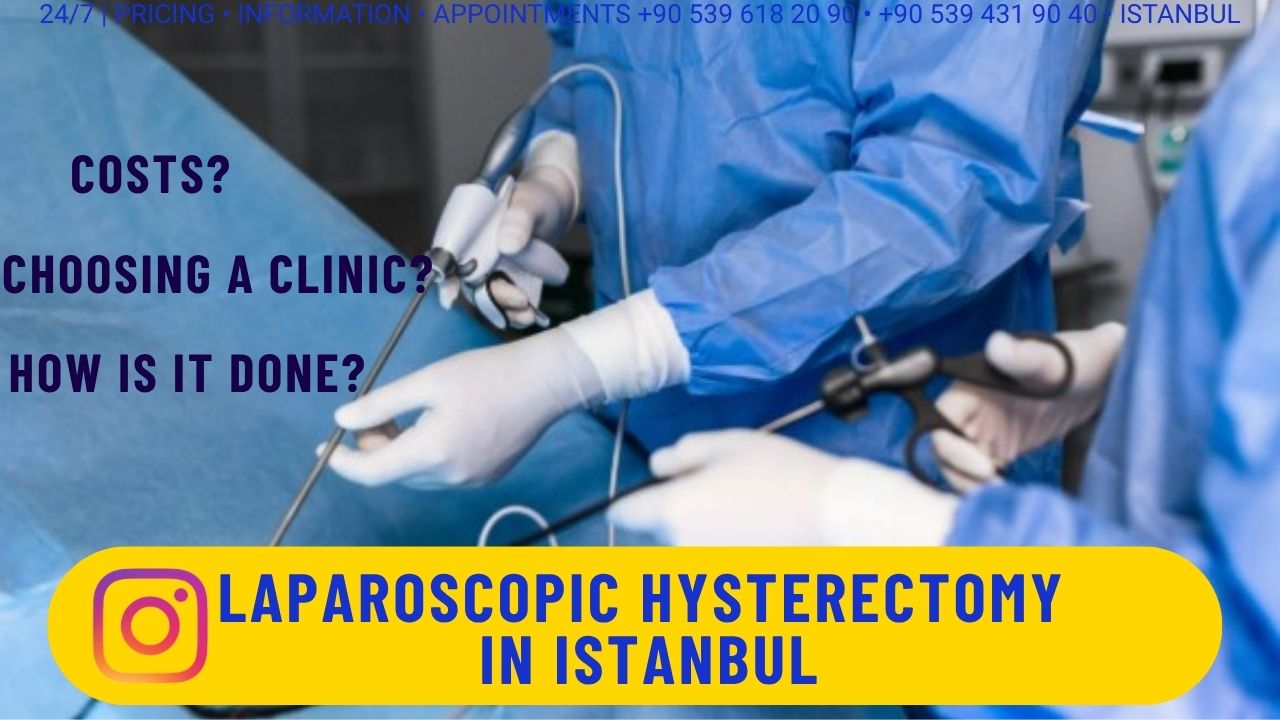
Gynecological laparoscopy is a minimally invasive surgical technique used to diagnose and treat various conditions affecting the female reproductive organs. It allows surgeons to examine and operate on pelvic structures through small abdominal incisions using a camera and specialized surgical instruments.
Gynecological laparoscopy in Istanbul, Turkey, may be recommended for patients with conditions such as ovarian cysts, uterine fibroids, endometriosis and certain other pelvic disorders.
Compared with traditional open surgery, laparoscopic procedures may offer smaller incisions, less postoperative discomfort and a shorter recovery period in appropriately selected patients.
The most suitable surgical approach depends on the patient’s diagnosis, medical history and individual surgical requirements.
What Is Gynecological Laparoscopy?
Gynecological laparoscopy is a surgical procedure performed through small incisions in the abdominal wall.
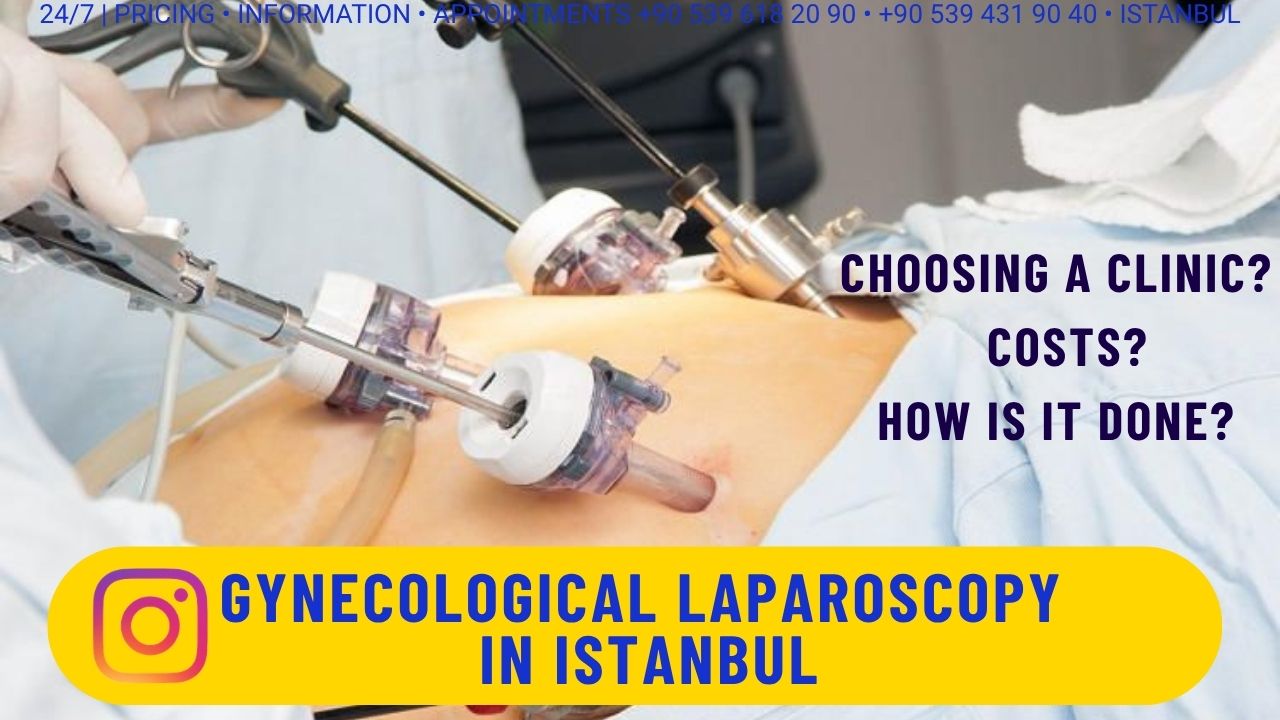
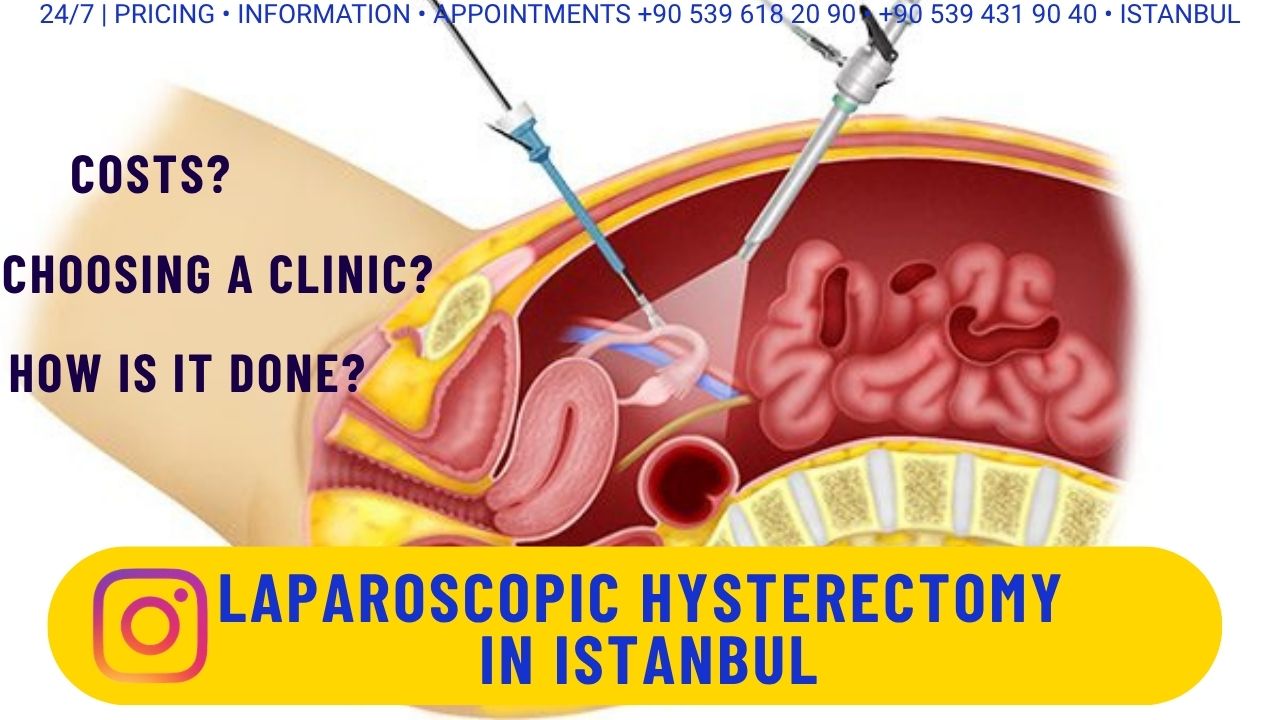
A laparoscope, which is a thin instrument equipped with a camera and light source, is inserted into the abdomen. This provides a magnified view of the pelvic organs on a monitor.
Specialized instruments are introduced through additional small incisions to perform the required surgical procedure.
Laparoscopy can be used for both diagnostic and operative purposes.
Diagnostic Laparoscopy
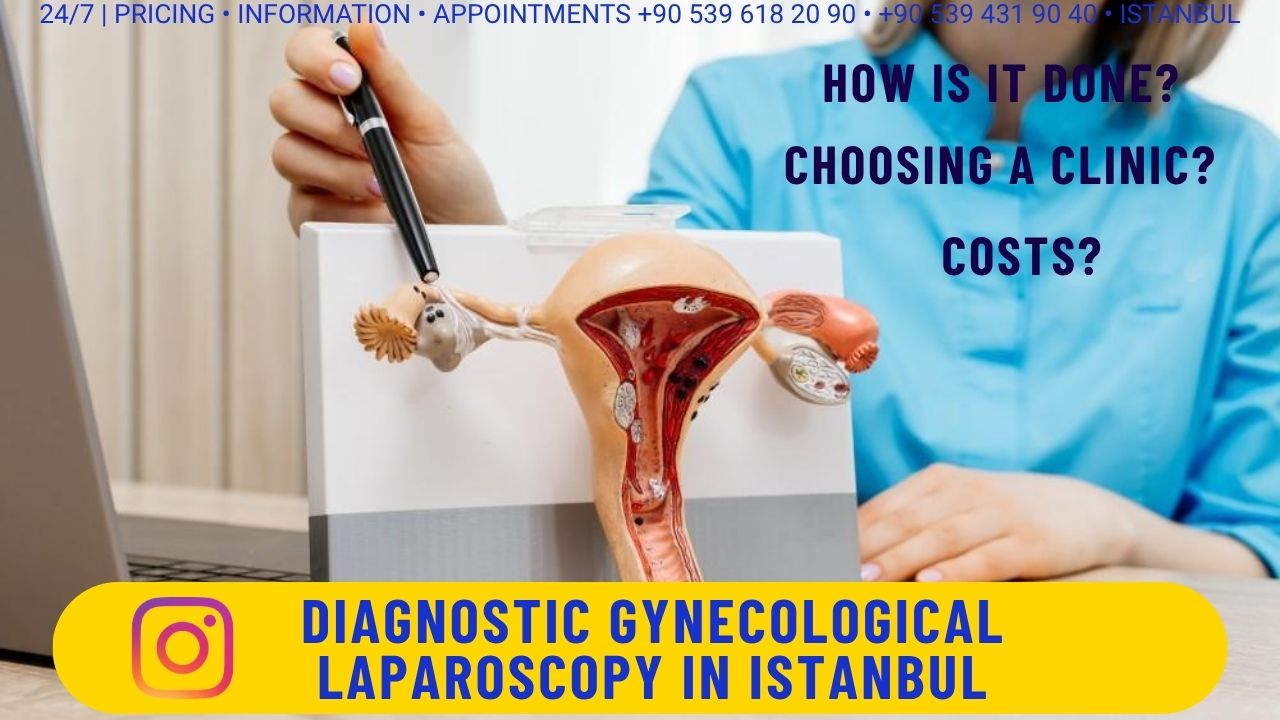
Diagnostic laparoscopy allows direct examination of the pelvic organs when non-invasive investigations do not provide sufficient information.
It may be considered in selected cases involving:
- Unexplained chronic pelvic pain
- Suspected endometriosis
- Pelvic adhesions
- Selected infertility-related conditions
- Uncertain pelvic findings
Diagnostic laparoscopy is not routinely required for every patient with pelvic pain or infertility. Its use depends on the clinical assessment and whether the findings are likely to influence treatment.
Operative Laparoscopy
Operative laparoscopy allows surgeons to treat certain gynecological conditions during the same procedure.
Depending on the patient’s condition, laparoscopic surgery may include:
- Ovarian cystectomy
- Selected myomectomy procedures
- Treatment of endometriosis
- Adhesiolysis
- Selected hysterectomy procedures
- Removal of selected benign adnexal masses
- Management of certain pelvic conditions
The feasibility of laparoscopic surgery is determined individually.
Conditions That May Be Treated with Gynecological Laparoscopy
1. Ovarian Cysts
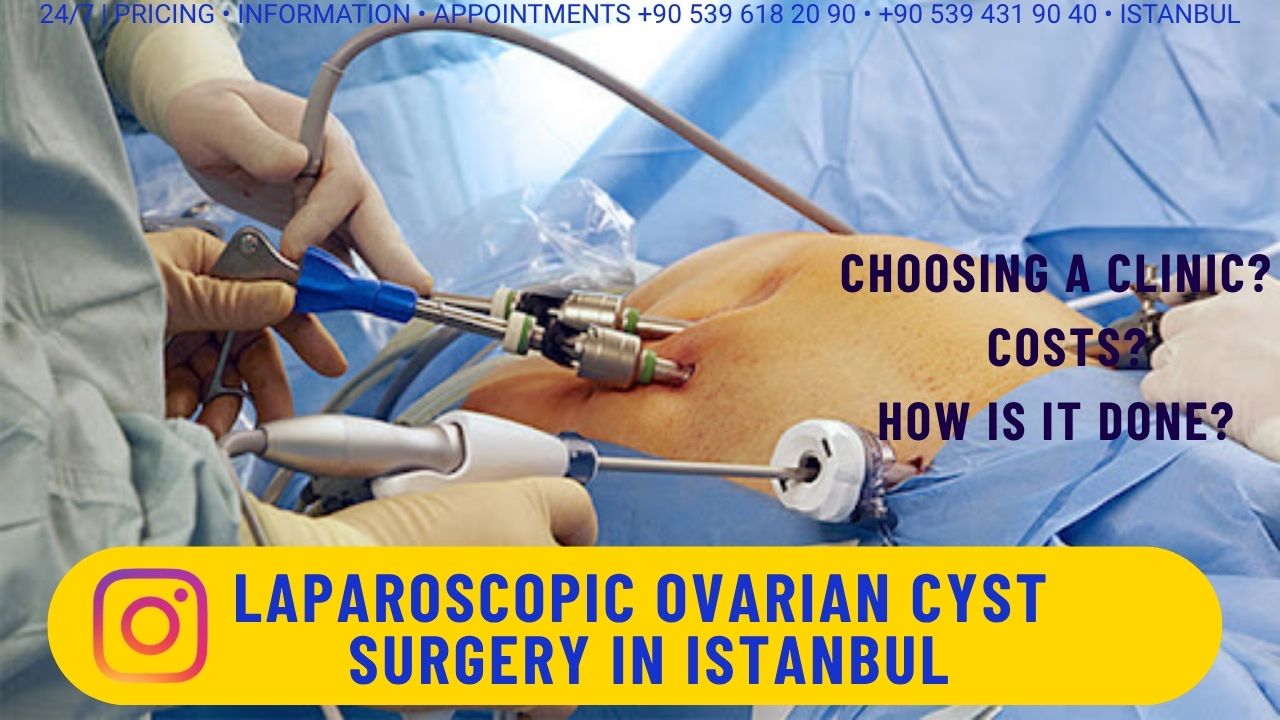
Laparoscopic ovarian cystectomy may be performed to remove selected ovarian cysts while preserving healthy ovarian tissue whenever possible.
The procedure may be considered for persistent, symptomatic or enlarging cysts, depending on their ultrasound characteristics and clinical evaluation.
Learn more about [Ovarian Cyst Surgery in Istanbul].
2. Endometriosis
Laparoscopy may be used to diagnose and surgically treat selected cases of endometriosis.
Depending on the extent of the disease, surgery may involve excision or ablation of endometriotic lesions and treatment of associated adhesions.
The decision to operate should consider symptoms, previous treatments, reproductive plans and the potential effects of surgery on ovarian reserve.
3. Pelvic Adhesions
Pelvic adhesions are bands of scar tissue that may develop after previous surgery, infection, endometriosis or other inflammatory conditions.
In selected patients, laparoscopic adhesiolysis may be performed to release adhesions. However, adhesions can recur, and surgery does not guarantee improvement in pain or fertility.
4. Uterine Fibroids
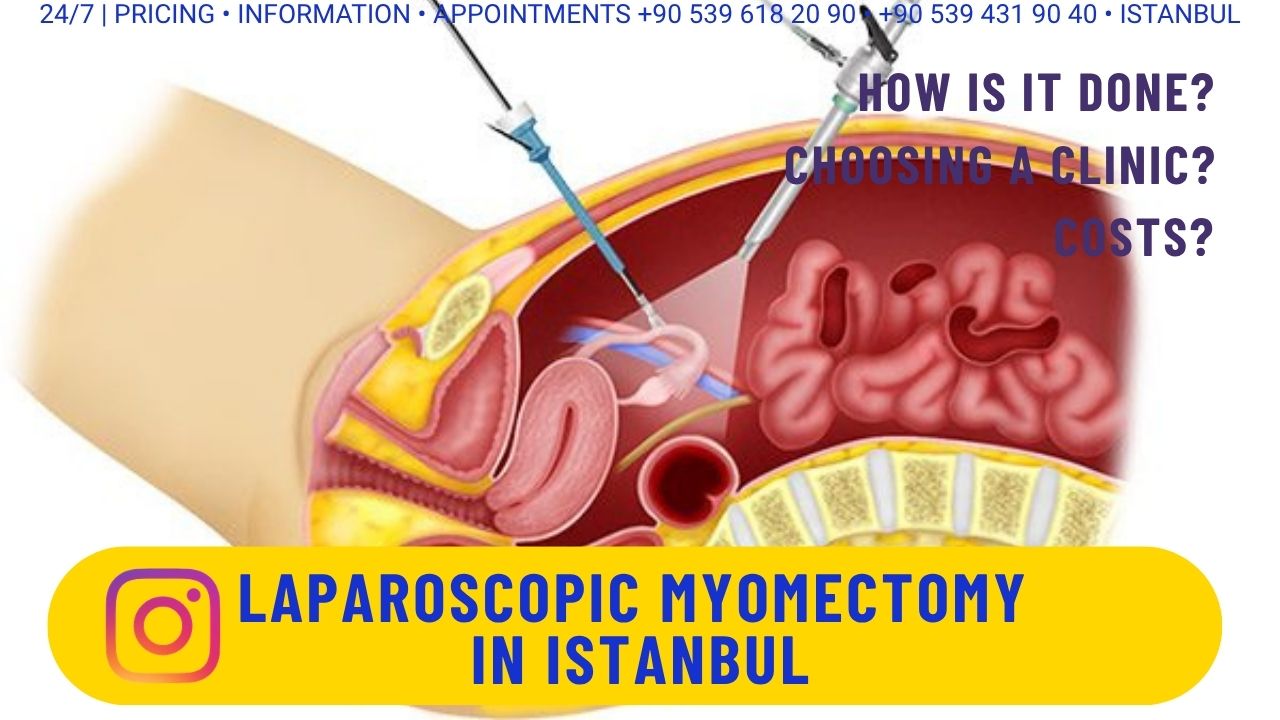
Laparoscopic myomectomy is a surgical option for removing selected uterine fibroids while preserving the uterus.
The suitability of this approach depends on the number, size and location of the fibroids, as well as the surgeon’s assessment.
Learn more about [Myomectomy in Istanbul].
5. Selected Hysterectomy Procedures
Laparoscopic hysterectomy is a minimally invasive approach to removing the uterus.
It may be appropriate for selected patients who require hysterectomy for benign gynecological conditions.
The decision depends on uterine size, previous surgical history, pelvic anatomy, associated conditions and the surgeon’s assessment.
Learn more about [Hysterectomy in Istanbul].
Advantages of Gynecological Laparoscopy
When appropriate for the patient’s condition, laparoscopic surgery may offer several advantages compared with open abdominal surgery.
Potential benefits include:
- Smaller abdominal incisions
- Less postoperative pain in many patients
- Reduced wound-related complications
- Shorter hospital stay in suitable cases
- Faster return to daily activities
- Smaller surgical scars
These benefits are not guaranteed for every patient. Outcomes depend on the procedure, underlying condition and individual health factors.
Who Is a Suitable Candidate for Laparoscopic Surgery?
Laparoscopic surgery is not suitable for every patient or every gynecological condition.
The decision is based on several factors, including:
- The type and severity of the gynecological condition
- Size and location of the pelvic mass
- Previous abdominal or pelvic operations
- Presence of extensive adhesions
- General health and medical history
- Anesthesia suitability
- Suspicion of malignancy
- Surgical complexity
In some cases, open surgery may provide a safer or more appropriate approach.
A detailed preoperative evaluation helps determine the most suitable surgical method.
How Is Gynecological Laparoscopy Performed?
Gynecological laparoscopic surgery is generally performed under general anesthesia.
The procedure usually involves the following steps:
- Anesthesia: General anesthesia is administered.
- Abdominal access: Small incisions are made in the abdominal wall.
- Insufflation: Carbon dioxide is introduced into the abdominal cavity to create working space.
- Camera insertion: A laparoscope is introduced to provide a magnified view of the pelvic organs.
- Surgical treatment: Specialized instruments are used to perform the planned procedure.
- Completion: The surgical area is inspected, bleeding is controlled and instruments are removed.
- Closure: The small incisions are closed using appropriate techniques.
The duration of surgery varies depending on the type and complexity of the procedure.
Preparation Before Laparoscopic Surgery
Before surgery, patients undergo a medical and gynecological evaluation.
Depending on the planned procedure, preparation may include:
- Review of medical and surgical history
- Gynecological examination
- Pelvic ultrasound
- Blood tests
- Additional imaging when indicated
- Anesthesia assessment
- Medication review
- Fasting according to hospital instructions
Patients should inform their healthcare team about all medications, allergies and existing medical conditions.
Recovery After Gynecological Laparoscopy
Recovery depends on the type of operation, the extent of surgical treatment and the patient’s general health.
Many patients undergoing uncomplicated laparoscopic procedures can return home on the same day or after a short hospital stay.
Common temporary postoperative symptoms may include:
- Mild abdominal discomfort
- Bloating
- Shoulder-tip pain caused by residual carbon dioxide
- Fatigue
- Mild incision-site discomfort
Patients are generally encouraged to begin gentle movement as advised by their surgical team.
Strenuous exercise, heavy lifting and sexual intercourse should be avoided until the surgeon confirms that resuming these activities is appropriate.
Recovery after laparoscopic hysterectomy or extensive endometriosis surgery may take longer than recovery after a minor laparoscopic procedure.
Risks and Possible Complications
Although gynecological laparoscopy is widely used, it remains a surgical procedure and carries potential risks.
Possible complications include:
- Bleeding
- Infection
- Injury to the bowel, bladder, ureters or blood vessels
- Anesthesia-related complications
- Blood clots
- Postoperative adhesions
- Hernia at an incision site
- Need to convert to open surgery
The likelihood of complications depends on the patient’s condition, previous operations and the complexity of the procedure.
In some situations, converting from laparoscopic to open surgery is a necessary safety decision.
Gynecological Laparoscopy Cost in Istanbul
The cost of gynecological laparoscopy in Istanbul depends on the type of procedure and its surgical complexity.
Factors that may influence the cost include:
- The planned operation
- Duration of surgery
- Complexity of the pelvic condition
- Anesthesia requirements
- Hospital and operating-room facilities
- Length of hospital stay
- Additional medical procedures when required
Diagnostic laparoscopy, laparoscopic ovarian cystectomy, laparoscopic myomectomy and laparoscopic hysterectomy may have different costs.
A personalized estimate can be provided after reviewing the patient’s medical records and determining the recommended surgical approach.
For detailed pricing information, please contact our clinic.
Gynecological Laparoscopy for International Patients
International patients considering gynecological laparoscopy in Istanbul should undergo an initial medical evaluation before arranging travel.
Previous ultrasound reports, laboratory results, medical records and details of previous operations can help with the initial assessment.
The treatment process may include:
- Review of previous medical records
- Gynecological consultation
- Ultrasound and additional examinations when indicated
- Surgical planning
- Preoperative anesthesia evaluation
- Hospital admission and surgery
- Postoperative monitoring
- Follow-up and travel planning
The recommended duration of stay in Istanbul depends on the type of operation, postoperative recovery and the treating surgeon’s assessment.
Patients should not plan their return journey until their medical team confirms that they are fit to travel.
For further information, please visit our International Patients page.
Frequently Asked Questions Gynecological Laparoscopic Surgery
Is gynecological laparoscopy a major surgery?
It depends on the procedure being performed. Some laparoscopic operations are relatively minor, while procedures such as laparoscopic hysterectomy or complex endometriosis surgery are more extensive operations.
Is laparoscopic surgery better than open surgery?
Laparoscopy may offer advantages such as smaller incisions and faster recovery in appropriately selected patients. However, open surgery may be safer or more appropriate in certain clinical situations.
How long does gynecological laparoscopic surgery take?
The duration varies according to the operation. A simple procedure may take less time than complex surgery involving multiple pelvic structures.
How long does recovery take after laparoscopy?
Recovery varies according to the procedure and individual health factors. Patients undergoing minor procedures may resume light activities relatively quickly, while more extensive operations require a longer recovery period.
Does laparoscopic surgery leave scars?
Yes. Laparoscopic surgery involves small abdominal incisions that usually leave smaller scars than traditional open surgery.
Can laparoscopic surgery affect fertility?
The effect on fertility depends on the condition being treated and the surgical procedure. Surgery involving the ovaries, endometriosis or pelvic adhesions may affect reproductive potential in some patients.
Can every ovarian cyst or fibroid be treated laparoscopically?
No. The size, location and characteristics of the mass, as well as the patient’s medical condition, determine whether laparoscopy is appropriate.
Can laparoscopic surgery be converted to open surgery?
Yes. If the surgeon identifies a safety concern or technical difficulty, conversion to open surgery may be necessary.
Schedule a Gynecological Consultation in Istanbul
If you have been diagnosed with a gynecological condition and are considering minimally invasive surgery, a detailed medical evaluation can help determine the most appropriate treatment.
Contact our clinic to learn more about gynecological laparoscopy in Istanbul, Turkey, and to arrange a consultation.
Planning Gynecological Laparoscopic Surgery in Istanbul?
If you are considering Gynecological Laparoscopic Surgery in Istanbul, you can contact our clinic to discuss your medical needs and appointment planning.
For international patients, consultation, ultrasound assessment, surgical treatment and postoperative care can be planned according to the individual medical situation.
Book a Consultation
Contact Us