Polycystic Ovary Syndrome (PCOS) Treatment
Polycystic Ovary Syndrome (PCOS) is one of the most common hormonal and metabolic conditions affecting women during their reproductive years. It may cause irregular menstrual cycles, elevated androgen levels, acne, unwanted hair growth, difficulties with ovulation, and metabolic changes such as insulin resistance.
At our gynecology clinic in Istanbul, Turkey, PCOS treatment is planned according to each patient’s symptoms, hormonal profile, metabolic health, reproductive goals, and individual medical needs.
Women seeking PCOS treatment in Istanbul can receive a comprehensive gynecological evaluation, diagnostic assessment, and an individualized treatment plan. International patients are also welcome to contact our clinic for information and appointment arrangements.
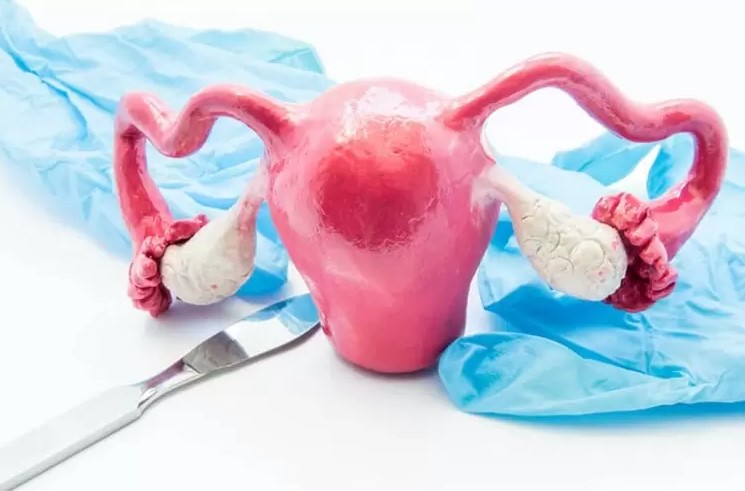
Pcos Treatment
What Is Polycystic Ovary Syndrome (PCOS)?
Polycystic Ovary Syndrome is a complex endocrine and metabolic condition characterized by hormonal and ovulatory disturbances. It can affect menstrual regularity, ovarian function, skin health, metabolism, and fertility.
Despite its name, PCOS does not simply mean that a woman has ovarian cysts. The small follicles commonly seen on ultrasound are not pathological ovarian cysts. They represent developing follicles that may not progress normally because of altered hormonal regulation.
PCOS can present differently from one woman to another. Some women mainly experience irregular periods, while others seek medical attention because of acne, excess facial or body hair, weight-related concerns, or difficulty becoming pregnant.
Symptoms of PCOS
The symptoms of Polycystic Ovary Syndrome vary depending on the hormonal and metabolic characteristics of each patient.
Common PCOS symptoms include:
Irregular menstrual periods
Infrequent menstruation or absence of periods
Delayed or absent ovulation
Difficulty becoming pregnant
Excess facial or body hair (hirsutism)
Persistent acne
Oily skin
Thinning of scalp hair
Weight gain or difficulty managing weight
Insulin resistance
Darkened skin areas, particularly around the neck or underarms
Not every woman with PCOS experiences all these symptoms. Some patients have a relatively normal body weight, while others may have significant metabolic concerns.
Causes and Risk Factors of PCOS
The exact cause of PCOS is not fully understood. It is considered a multifactorial condition involving genetic, hormonal, metabolic, and environmental factors.
Important mechanisms include:
Insulin Resistance
Insulin resistance can contribute to increased insulin levels, which may stimulate ovarian androgen production and interfere with normal ovulation. However, insulin resistance is not present in every woman with PCOS.
Androgen Excess
Higher levels or increased activity of androgens can contribute to acne, hirsutism, scalp hair thinning, and disturbances in ovulation.
Ovulatory Dysfunction
Irregular or absent ovulation may lead to unpredictable menstrual cycles and difficulties with conception.
Genetic Factors
PCOS frequently occurs in families, suggesting a genetic contribution to its development.
PCOS Diagnosis in Istanbul
Accurate diagnosis is an essential part of effective PCOS treatment in Istanbul. The evaluation combines clinical findings, hormonal assessment, and appropriate imaging when indicated.
In adult women, the diagnosis is generally based on the presence of at least two of the following three features, after excluding other conditions that may cause similar symptoms:
Clinical or biochemical evidence of hyperandrogenism.
Ovulatory dysfunction, such as irregular or absent menstrual cycles.
Polycystic ovarian morphology on ultrasound, or an appropriately used serum anti-Müllerian hormone (AMH) assessment as an alternative in adults.
An ultrasound examination is not always necessary when irregular cycles and hyperandrogenism are already established.
Hormonal Blood Tests
Depending on the patient’s symptoms and clinical findings, laboratory investigations may include:
Total and free testosterone or calculated free androgen index
DHEA-S when indicated
TSH
Prolactin
17-hydroxyprogesterone
FSH and other reproductive hormones when clinically appropriate
These tests help evaluate androgen excess and exclude other endocrine conditions.
Pelvic Ultrasound Examination
Transvaginal or transabdominal ultrasound may be used to assess ovarian morphology, follicular distribution, ovarian volume, and endometrial thickness.
The presence of polycystic ovarian morphology alone does not establish a PCOS diagnosis.
Metabolic Assessment
Metabolic evaluation is an important component of PCOS care. Depending on individual risk factors, assessment may include:
Blood pressure measurement
Lipid profile
Blood glucose assessment
Oral glucose tolerance test when appropriate
Evaluation of weight-related and metabolic risk factors
A 75-g oral glucose tolerance test is particularly useful for assessing glycemic status in women with PCOS, including those planning pregnancy.
PCOS Treatment Options in Istanbul, Turkey
There is no single treatment that is appropriate for every woman with PCOS. Treatment is selected according to the patient’s main symptoms, metabolic profile, menstrual pattern, and fertility plans.
The goal is to manage symptoms, reduce long-term health risks, support regular endometrial shedding when needed, and improve reproductive health.
1. Lifestyle Management
Healthy lifestyle habits are an essential part of PCOS management.
A personalized approach may include:
Balanced nutritional habits
Regular physical activity
Resistance and aerobic exercise
Adequate sleep
Sustainable weight management when appropriate
There is no single diet or exercise program that is superior for every woman with PCOS. Lifestyle interventions can provide health benefits even without significant weight loss.
2. Hormonal Treatment for Irregular Periods
Irregular menstrual cycles are among the most common reasons women seek PCOS treatment in Istanbul.
Depending on contraindications and individual preferences, combined oral contraceptive pills may be used to:
Regulate menstrual bleeding
Reduce androgen-related symptoms
Improve acne and unwanted hair growth in selected patients
Provide endometrial protection
For women who cannot or do not wish to use combined hormonal contraception, periodic progestogen treatment may be considered to protect the endometrium when menstrual cycles are significantly infrequent.
3. Insulin Resistance and Metabolic Management
Metformin may be considered in selected women with PCOS, particularly when metabolic indications are present.
Potential benefits include:
Improvement in glucose regulation
Improvement in insulin-related metabolic parameters
Support for metabolic health
Possible improvement in menstrual and ovulatory function in some patients
The decision to use metformin depends on the patient’s clinical and metabolic assessment. It is not automatically required for every woman diagnosed with PCOS.
4. Treatment of Acne and Excess Hair Growth
Hyperandrogenism may cause acne, unwanted facial or body hair, and scalp hair thinning.
Treatment options may include:
Combined oral contraceptive pills
Selected anti-androgen medications when appropriate
Dermatological acne treatment
Laser hair reduction
Individualized dermatological or endocrine assessment
Anti-androgen medications require appropriate contraception because some may affect fetal development during pregnancy.
Laser hair reduction can be a useful option for unwanted hair growth, although it does not treat the underlying hormonal condition.
5. PCOS Fertility Treatment in Istanbul
PCOS is a common cause of ovulatory infertility. However, many women with PCOS can become pregnant with appropriate management.
For women who wish to conceive, treatment focuses on restoring or inducing ovulation while considering other possible infertility factors.
Treatment options may include:
Ovulation Induction
Letrozole is recommended as the first-line pharmacological option for ovulation induction in women with anovulatory PCOS-related infertility when no other infertility factors are present.
Other Ovulation Induction Treatments
Depending on the response and clinical circumstances, clomiphene citrate, gonadotropins, or other fertility treatments may be considered.
Metformin
Metformin may have a role in selected patients, particularly when metabolic indications coexist. It is not a substitute for a complete infertility evaluation.
IVF Treatment
In vitro fertilization may be considered when other treatments are unsuccessful or when additional infertility factors make IVF appropriate.
Fertility treatment should be individualized, with appropriate monitoring and attention to the risk of ovarian hyperstimulation in selected patients.
PCOS and Pregnancy
Women with PCOS can achieve successful pregnancies. However, PCOS is associated with an increased risk of certain pregnancy complications.
These may include:
Gestational diabetes
Hypertensive disorders of pregnancy
Pregnancy-related metabolic complications
Increased risk of some adverse pregnancy outcomes
Preconception evaluation, glucose assessment, blood pressure monitoring, and appropriate antenatal follow-up are important components of care.
Long-Term Health and Follow-Up
PCOS is a long-term condition that may require ongoing assessment even when symptoms improve.
Long-term management may include monitoring:
Menstrual regularity
Endometrial health when periods are infrequent
Blood glucose and diabetes risk
Blood pressure
Lipid profile
Weight-related metabolic risk factors
Psychological well-being and quality of life
Women with prolonged untreated amenorrhea may have an increased risk of endometrial hyperplasia. Appropriate cycle regulation and endometrial protection are therefore important.
Although the relative risk of endometrial cancer is increased in women with PCOS, the absolute risk remains low, and routine endometrial cancer screening is not recommended solely because of a PCOS diagnosis.
PCOS Treatment Cost in Istanbul, Turkey
The cost of PCOS treatment in Istanbul depends on the diagnostic tests required, the patient’s symptoms, the treatment plan, and whether fertility-related services are needed.
The total cost may vary according to:
Gynecological consultation
Pelvic ultrasound examination
Hormonal blood tests
Metabolic investigations
Medication requirements
Ovulation induction monitoring
Additional fertility procedures, if indicated
PCOS consultation and treatment prices start from 1000 USD.
A personalized cost estimate can be provided after reviewing the patient’s medical history and planned investigations.
PCOS Treatment for International Patients
Istanbul is an important destination for international patients seeking gynecological evaluation and treatment.
Our clinic provides an organized consultation process for women travelling to Istanbul, Turkey.
International patients can:
Contact the clinic to request an appointment.
Share relevant medical history and previous test results.
Arrange a gynecological consultation in Istanbul.
Undergo the necessary examination and laboratory investigations.
Receive an individualized PCOS management plan.
Discuss follow-up arrangements and further treatment when required.
Previous ultrasound reports, hormonal test results, and medication records can help make the initial evaluation more efficient.
Frequently Asked Questions About PCOS Treatment in Istanbul
Can PCOS be completely cured?
PCOS is a chronic hormonal and metabolic condition. There is currently no single treatment that permanently eliminates the condition. However, symptoms and associated health risks can often be managed effectively with individualized treatment and long-term follow-up.
Does PCOS always cause infertility?
No. Many women with PCOS conceive naturally. Some experience irregular ovulation and may need ovulation induction or other fertility treatments.
Can women with PCOS have regular periods?
Yes. Menstrual cycles can become more regular with appropriate treatment and lifestyle management. The treatment approach depends on whether the patient is planning pregnancy.
Is PCOS the same as having ovarian cysts?
No. The small follicles seen in polycystic ovarian morphology are not the same as pathological ovarian cysts. PCOS is a hormonal and metabolic syndrome, not simply an ovarian cyst condition.
Does every woman with PCOS have insulin resistance?
No. Insulin resistance is common in PCOS but is not present in every patient. Metabolic assessment should be individualized.
Can PCOS cause weight gain?
PCOS may be associated with weight-related and metabolic changes, but not every woman with PCOS experiences weight gain. Women with a normal body weight can also have PCOS.
What is the first-line fertility treatment for PCOS?
For women with anovulatory infertility due to PCOS and no other infertility factors, letrozole is recommended as the first-line pharmacological ovulation induction treatment.
How much does PCOS treatment cost in Istanbul?
The cost depends on the required examination, laboratory investigations, medications, and fertility treatment needs. Consultation and treatment prices start from YYYY USD.
Book a PCOS Consultation in Istanbul, Turkey
If you are experiencing irregular periods, hormonal imbalance, acne, unwanted hair growth, insulin resistance, or difficulty becoming pregnant, a gynecological evaluation can help identify the underlying cause and appropriate treatment options.
At our clinic in Istanbul, Turkey, we provide individualized assessment and management for women with Polycystic Ovary Syndrome.
For appointments, treatment information, and international patient inquiries:
Phone / WhatsApp:
+90 539 618 20 90
+90 539 431 90 40
Contact our clinic to arrange your PCOS consultation in Istanbul.
Planning Surgical Treatment in Istanbul?
If you are considering surgical treatment in Istanbul, you can contact our clinic to discuss your medical needs and appointment planning.
For international patients, consultation, ultrasound assessment, surgical treatment and postoperative care can be planned according to the individual medical situation.
Book a Consultation
Contact Us
Table of Contents
Toggle