Vaginal Rejuvenation in Istanbul, Turkey
Vaginal rejuvenation in Istanbul, Turkey, refers to a range of medical and surgical approaches designed to address selected anatomical changes, vaginal laxity, perineal damage and concerns affecting female intimate health. Treatment options depend on the patient’s symptoms, anatomical findings, medical history and individual expectations.
Vaginal Rejuvenation in Istanbul, Turkey
Medical illustration representing vaginal rejuvenation in Istanbul, Turkey. Treatment options may include surgical vaginal reconstruction, perineoplasty and selected non-surgical approaches following appropriate gynecological assessment.
Women considering vaginal rejuvenation may seek treatment following vaginal childbirth, perineal injury, previous pelvic surgery or age-related changes. A proper gynecological assessment is essential to identify the underlying condition and determine whether surgical reconstruction or another medical treatment is appropriate.
At our gynecology clinic in Istanbul, treatment planning focuses on anatomical evaluation, surgical precision, tissue preservation and individualized patient care.
Non-Surgical Vaginal Rejuvenation: CO₂ and Er Laser Treatments
Non-surgical vaginal rejuvenation is a term used to describe energy-based approaches investigated for selected vulvovaginal symptoms and tissue-related concerns. Fractional CO₂ and Er lasers are two technologies that have been studied in gynecological practice.
Vaginal Laser Rejuvenation?
These laser systems use different wavelengths and tissue interaction mechanisms. Their proposed effects include controlled tissue heating, collagen remodeling and changes in tissue structure. However, their clinical effectiveness and long-term safety for vaginal rejuvenation remain under investigation.
Fractional CO₂ Vaginal Laser
Fractional CO₂ laser systems operate at a wavelength of 10,600 nm and produce controlled microablative and thermal effects in targeted tissue.
The technology has been investigated in relation to:
Genitourinary syndrome of menopause (GSM).
Vaginal dryness and vulvovaginal discomfort.
Dyspareunia associated with menopausal tissue changes.
Selected vulvovaginal symptoms.
Although some studies have reported improvements in individual symptoms, the overall certainty of evidence remains limited. Fractional CO₂ vaginal laser should not be presented as an established alternative to standard treatments for genitourinary syndrome of menopause.
Er Vaginal Laser
Er laser systems operate at a wavelength of 2,940 nm, which is strongly absorbed by water in biological tissues.
Depending on the device and treatment protocol, Er systems can produce different tissue effects, including controlled thermal stimulation or ablative effects.
Er vaginal laser has been investigated for:
Vaginal dryness.
Selected genitourinary symptoms associated with menopause.
Vulvovaginal tissue changes.
Symptoms sometimes described as vaginal laxity.
Clinical evidence regarding its effectiveness for these indications remains very limited. Long-term outcomes and safety require further high-quality research.
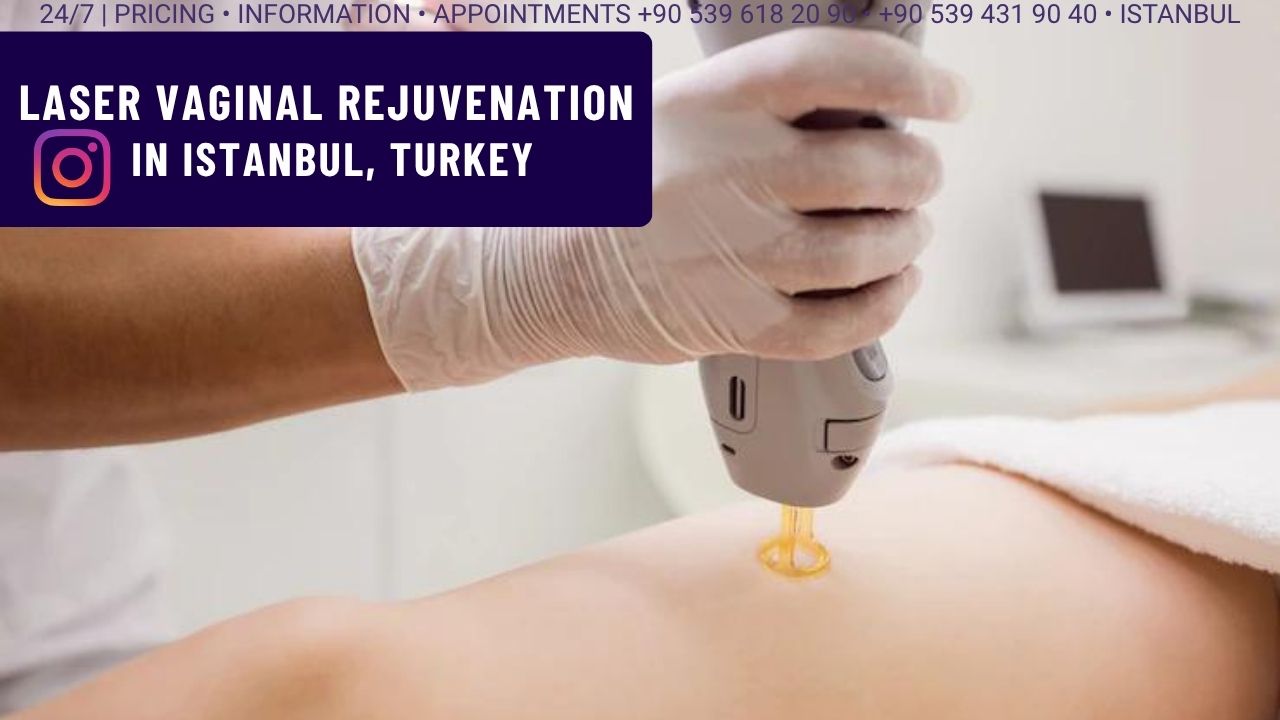
Fractional CO2 Vaginal Laser Treatment
Medical illustration of fractional CO2 laser technology operating at 10,600 nm. This laser system produces controlled microablative and thermal tissue effects and has been investigated for selected vulvovaginal conditions. Clinical effectiveness and long-term safety remain under evaluation.
CO₂ vs Er Vaginal Laser: What Is the Difference?
Both technologies have been investigated for vaginal applications, but they differ in wavelength, tissue interaction and treatment protocols.
Fractional CO₂ laser produces a microablative pattern with surrounding thermal effects, whereas Er laser energy is strongly absorbed by tissue water and can be delivered using different treatment modes.
Neither technology should be considered universally superior. Device selection and treatment decisions require consideration of the specific clinical indication, device characteristics, available evidence and individual patient factors.
Safety, Clinical Evidence and Patient Selection
Vaginal laser treatments are frequently marketed as non-surgical vaginal rejuvenation procedures. However, current clinical evidence does not establish either CO₂ or Er laser as a routine treatment for vaginal laxity, menopausal symptoms or sexual dysfunction.
Potential complications include:
Vaginal or vulvar burns.
Scarring and tissue fibrosis.
Persistent pain or discomfort.
Pain during sexual intercourse.
Changes in tissue sensitivity.
Women experiencing vaginal dryness, burning, irritation or painful intercourse should first undergo appropriate gynecological evaluation. Evidence-based treatment options, including vaginal moisturizers, lubricants and locally administered hormonal treatments when appropriate, should be discussed.
Patients considering energy-based treatments should receive clear information about the uncertainty of clinical benefits, potential complications and available alternatives.
Is Vaginal Laser Treatment the Same as Surgical Vaginal Rejuvenation?
No. Vaginal laser treatment and surgical vaginal rejuvenation are different approaches.
Laser procedures deliver energy to targeted tissue without surgical reconstruction. Vaginoplasty and perineoplasty, on the other hand, involve surgical correction or reconstruction of selected anatomical structures.
The appropriate treatment depends on the underlying condition and the patient’s clinical findings. No treatment should be recommended solely on the basis of a cosmetic expectation.
What Is Vaginal Rejuvenation?
Vaginal rejuvenation is a general term used to describe treatments intended to address selected anatomical or functional concerns involving the vagina and surrounding perineal structures.
It is not a single standardized surgical procedure. Depending on the clinical findings, treatment may involve:
Surgical vaginal reconstruction.
Vaginoplasty for selected cases of vaginal laxity or anatomical changes.
Perineoplasty to reconstruct the perineal body.
Correction of selected postpartum anatomical changes.
Medical evaluation and treatment of vaginal dryness, discomfort or other gynecological symptoms.
These treatments have different indications and should not be considered interchangeable. The appropriate approach is determined after a detailed gynecological examination.
Common Reasons for Considering Vaginal Rejuvenation
Women may seek consultation for several reasons, including:
Vaginal Laxity
Some women experience a sensation of vaginal laxity following vaginal childbirth or changes in pelvic support structures. The underlying anatomy should be evaluated before considering surgical treatment.
Postpartum Anatomical Changes
Vaginal delivery may result in changes involving the vaginal opening, perineal body and surrounding tissues. Previous perineal tears or surgical repairs may also affect the anatomy.
Perineal Scarring and Tissue Damage
Perineal scars, tissue separation and altered anatomy following childbirth may cause discomfort or affect the appearance of the vaginal opening. Selected cases may benefit from perineal reconstruction.
Changes Following Previous Gynecological Surgery
Previous vaginal or perineal operations may occasionally result in scar tissue, altered anatomy or functional complaints. Treatment depends on the location and extent of the changes.
Vaginal Dryness and Discomfort
Vaginal dryness, burning, irritation and discomfort may be associated with hormonal changes, infections, dermatological conditions or other medical causes. These symptoms require appropriate diagnosis rather than automatic referral for cosmetic surgery.
Surgical Vaginal Rejuvenation Procedures
The term surgical vaginal rejuvenation may include different procedures. The choice depends on the anatomical area requiring treatment.
Vaginoplasty
Vaginoplasty is a surgical procedure that may involve reconstruction of selected vaginal structures and correction of anatomical changes associated with vaginal laxity.
The surgical approach is planned according to vaginal wall anatomy, pelvic floor findings and the patient’s clinical needs.
Learn more about Vaginoplasty in Istanbul.
Perineoplasty
Perineoplasty focuses on the perineal body and tissues surrounding the vaginal opening. It may be considered in selected women with postpartum perineal changes, scarring or anatomical disruption.
Perineoplasty is not synonymous with vaginal tightening. Its primary objective is reconstruction of the perineal anatomy.
Learn more about Perineoplasty in Istanbul.
Labiaplasty and Other External Genital Procedures
Some patients have concerns involving the external genital structures rather than the vaginal canal or perineal body. In these cases, procedures such as labiaplasty or clitoral hood reduction may be discussed separately.
These operations have different anatomical objectives and should only be combined when clinically appropriate.
Surgical Vaginal Reconstruction and Vaginal Rejuvenation in Istanbul, Turkey
Medical illustration representing surgical vaginal reconstruction. Depending on anatomical findings, selected patients may be considered for vaginoplasty or other reconstructive gynecological procedures in Istanbul, Turkey.
Preoperative Gynecological Assessment
A detailed consultation is an essential part of vaginal rejuvenation planning.
The assessment may include:
Review of gynecological and obstetric history.
Previous vaginal deliveries and perineal tears.
Evaluation of vaginal and perineal anatomy.
Assessment of pelvic floor support when indicated.
Review of previous gynecological procedures.
Evaluation of vaginal dryness, pain or urinary symptoms.
Discussion of surgical expectations and possible limitations.
Patients with symptoms suggestive of pelvic organ prolapse, anal sphincter injury or significant pelvic floor dysfunction may require additional evaluation and a different treatment pathway.
The aim is to identify the actual anatomical or medical problem before recommending a procedure.
How Is Vaginal Rejuvenation Surgery Performed?
The surgical technique depends on the selected procedure.
When vaginoplasty or perineoplasty is indicated, surgery is generally performed under an appropriate form of anesthesia in a suitable clinical or hospital setting.
The procedure may involve:
Preoperative examination and surgical planning.
Selection of the appropriate surgical technique.
Careful dissection and management of the relevant tissue planes.
Reconstruction and approximation of selected anatomical structures.
Layered tissue closure when required.
Postoperative observation and follow-up.
The surgical objective is to address the identified anatomical problem while preserving tissue function and avoiding unnecessary narrowing or excessive tissue removal.
Not every patient requires the same procedure, and combined operations are considered only when appropriate.
Recovery After Vaginal Rejuvenation Surgery
Recovery depends on the type and extent of surgery.
Patients may experience temporary swelling, bruising, tenderness and discomfort during the early postoperative period.
Postoperative care generally includes:
Following wound hygiene instructions.
Using prescribed medication as directed.
Avoiding strenuous physical activity during the initial healing period.
Attending scheduled postoperative examinations.
Avoiding vaginal intercourse until adequate healing has been confirmed.
Following individualized instructions regarding exercise and daily activities.
After surgical vaginoplasty or perineoplasty, sexual intercourse is commonly restricted for approximately six weeks. The actual timing depends on the procedure, tissue healing and the surgeon’s assessment.
Risks and Possible Complications
As with other surgical procedures, vaginal rejuvenation surgery carries potential risks.
Possible complications include:
Bleeding and hematoma.
Infection.
Wound separation or delayed healing.
Excessive scar formation.
Persistent pain or discomfort.
Changes in vaginal sensation.
Excessive narrowing or tissue tension.
Anatomical asymmetry.
Unsatisfactory functional or aesthetic results.
Need for revision surgery.
Careful patient selection, appropriate surgical planning and preservation of normal anatomical structures are important in reducing avoidable complications.
No surgical procedure can guarantee a particular sexual, functional or aesthetic outcome.
Vaginal Rejuvenation Cost in Istanbul, Turkey
The cost of vaginal rejuvenation in Istanbul, Turkey, depends on the type of treatment required and the complexity of the procedure.
Factors that may influence the vaginal rejuvenation price include:
Whether vaginoplasty or perineoplasty is required.
Whether more than one procedure is clinically indicated.
The complexity of the anatomical reconstruction.
Type of anesthesia.
Hospital or surgical facility requirements.
Preoperative examinations and postoperative follow-up.
A precise treatment plan and price can be provided after gynecological assessment.
Patients searching for vaginal rejuvenation cost in Istanbul should distinguish between procedures with different surgical objectives. A consultation helps establish which treatment is medically appropriate before comparing prices.
Vaginal Rejuvenation in Istanbul for International Patients
Istanbul is an important destination for patients seeking gynecological consultation and surgical treatment.
International patients considering vaginal rejuvenation can arrange an initial consultation to discuss their medical history, symptoms and treatment expectations.
The general pathway may include:
Initial Contact: Patients provide information about their concerns and relevant medical history.
Medical Assessment: A gynecological consultation and examination are arranged.
Treatment Planning: The appropriate procedure and surgical requirements are discussed.
Procedure: Surgery is performed when clinically indicated.
Postoperative Follow-up: Recovery is assessed before travel arrangements are finalized.
The required length of stay depends on the procedure and postoperative progress. Patients should not plan air travel solely according to a fixed schedule; the treating physician must assess whether travel is appropriate.
Our clinic can provide information about vaginal rejuvenation treatment options, estimated costs and consultation arrangements in Istanbul, Turkey.
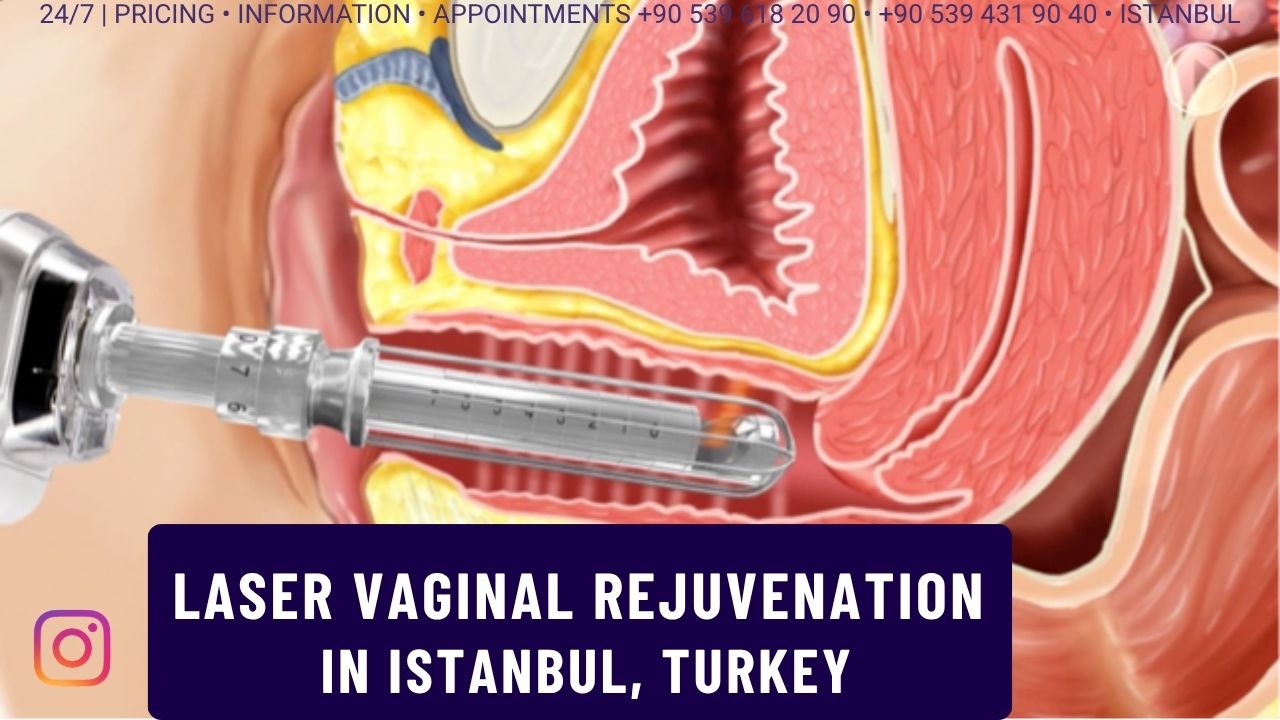
Vaginal Laser vs Surgical Vaginal Rejuvenation
Educational medical illustration comparing energy-based vaginal laser approaches, including CO2 and Er:YAG technologies, with surgical procedures such as vaginoplasty and perineoplasty. These treatments are not interchangeable and require different clinical assessments.
Frequently Asked Questions About Vaginal Rejuvenation
What does vaginal rejuvenation mean?
Vaginal rejuvenation is a general term covering selected medical and surgical treatments for anatomical or functional concerns involving the vagina and surrounding perineal structures.
Is vaginal rejuvenation the same as vaginoplasty?
No. Vaginoplasty is a specific surgical procedure. Vaginal rejuvenation is a broader term that may include vaginoplasty, perineoplasty and other individually selected treatments.
Is perineoplasty a vaginal tightening procedure?
Not necessarily. Perineoplasty primarily reconstructs the perineal body and tissues surrounding the vaginal opening. It should not automatically be considered equivalent to vaginal canal tightening.
How long does recovery take after vaginal rejuvenation surgery?
Recovery depends on the procedure performed. Sexual intercourse is commonly restricted for approximately six weeks following surgical vaginoplasty or perineoplasty, subject to clinical assessment and healing.
How much does vaginal rejuvenation cost in Istanbul?
The vaginal rejuvenation cost in Istanbul depends on the selected procedure, surgical complexity, anesthesia and facility requirements. An individualized quotation can be provided following consultation.
Can international patients have vaginal rejuvenation in Turkey?
Yes. International patients can arrange gynecological consultation and discuss suitable treatment options in Istanbul. Travel timing should be determined according to the procedure and postoperative medical assessment.
Does vaginal rejuvenation improve sexual sensation?
A specific improvement in sexual sensation cannot be guaranteed. Surgical treatment should address an identified anatomical or functional concern, and expectations should be discussed during consultation.
Book a Vaginal Rejuvenation Consultation in Istanbul
If you are considering vaginal rejuvenation in Istanbul, Turkey, a gynecological assessment is the first step toward understanding your treatment options.
Contact our clinic to arrange a consultation and receive information about available procedures, treatment planning and vaginal rejuvenation costs.
Planning Vaginal Rejuvenation in Istanbul?
If you are considering vaginal rejuvenation in Istanbul, you can contact our clinic to discuss your medical needs and appointment planning.
For international patients, consultation, ultrasound assessment, surgical treatment and postoperative care can be planned according to the individual medical situation.
Book a Consultation
Contact Us
Table of Contents
Toggle