Myomectomy in Istanbul, Turkey
Uterine Fibroid Surgery and Uterus-Preserving Treatment
Uterine fibroids, also known as leiomyomas or myomas, are benign tumors that develop from the muscular tissue of the uterus. They are among the most common gynecological conditions and may cause symptoms such as heavy menstrual bleeding, pelvic pressure, abdominal discomfort, and reproductive difficulties.
Myomectomy is a surgical procedure performed to remove uterine fibroids while preserving the uterus. It may be considered for women who experience significant symptoms, have fibroids affecting the uterine cavity, or wish to preserve their reproductive potential.
Myomectomy in Istanbul, Turkey, can be performed using different surgical techniques depending on the characteristics of the fibroids and the patient’s individual clinical needs.
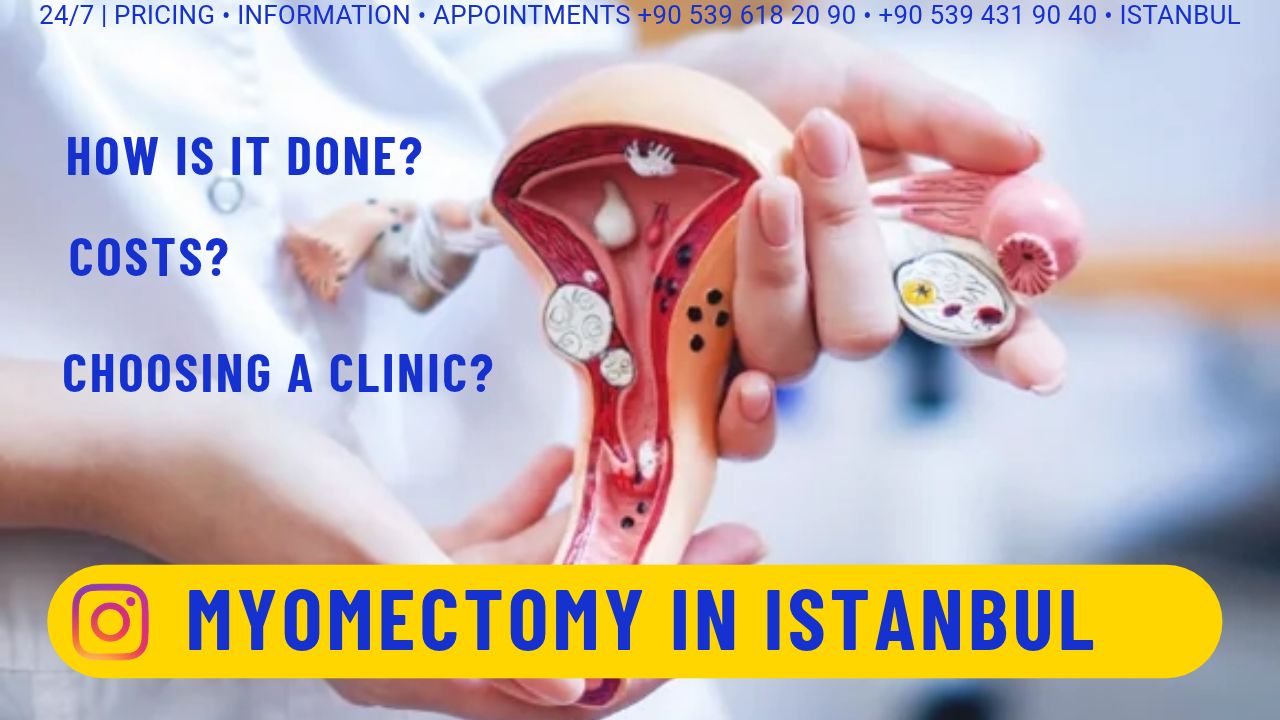
Myomectomy in Istanbul, Turkey
Myomectomy is a gynecological surgical procedure used to remove uterine fibroids while preserving the uterus. The appropriate surgical technique depends on fibroid size, number, location, and individual reproductive goals.
What Are Uterine Fibroids?
Uterine fibroids are non-cancerous growths originating from the smooth muscle cells of the uterine wall. Their size, number, and location can vary considerably.
Fibroids are classified according to their relationship with the different layers of the uterus.
Intramural Fibroids
Intramural fibroids develop within the muscular wall of the uterus. They may enlarge the uterus and cause heavy menstrual bleeding, pelvic discomfort, or pressure symptoms, depending on their size and location.
Submucosal Fibroids
Submucosal fibroids develop within the uterine muscle and extend toward the endometrial cavity. They may distort the uterine cavity and are particularly associated with heavy menstrual bleeding. In selected patients, they may also affect reproductive outcomes.
Subserosal Fibroids
Subserosal fibroids grow toward the outer surface of the uterus. Depending on their size and location, they may cause pelvic pressure, abdominal enlargement, or pressure on adjacent organs.
Pedunculated Fibroids
Pedunculated fibroids are attached to the uterus by a narrow stalk. They may develop toward the uterine cavity or the outer surface of the uterus.
When Is Myomectomy Recommended?
Not every uterine fibroid requires surgery. Many fibroids can be monitored or managed with medical treatment, depending on their size, location, symptoms, and growth pattern.
Myomectomy may be considered in patients with:
- Heavy or prolonged menstrual bleeding associated with fibroids
- Symptomatic uterine fibroids causing pelvic pain or pressure
- Fibroids that distort the uterine cavity
- Selected fibroids associated with infertility or reproductive problems
- Fibroids causing pressure on the bladder or bowel
- Increasing abdominal discomfort or enlargement related to fibroids
- Persistent symptoms despite appropriate medical management
The decision to perform surgery is based on a detailed gynecological assessment and the patient’s treatment preferences.
Types of Myomectomy
The surgical approach is selected according to the number, size, location, and depth of the fibroids, as well as the patient’s medical history and reproductive plans.
The main approaches include abdominal, laparoscopic, and hysteroscopic myomectomy.
1. Abdominal Myomectomy
Abdominal myomectomy is performed through an incision in the abdominal wall to access the uterus and remove fibroids.
It may be appropriate for patients with large, multiple, deeply located, or anatomically complex fibroids that are not suitable for hysteroscopic or laparoscopic removal.
During the procedure, the fibroids are carefully separated from the surrounding uterine muscle. The resulting uterine incisions are repaired using appropriate surgical techniques to restore the uterine wall.
The incision type and surgical approach depend on the patient’s anatomy and the planned operation.
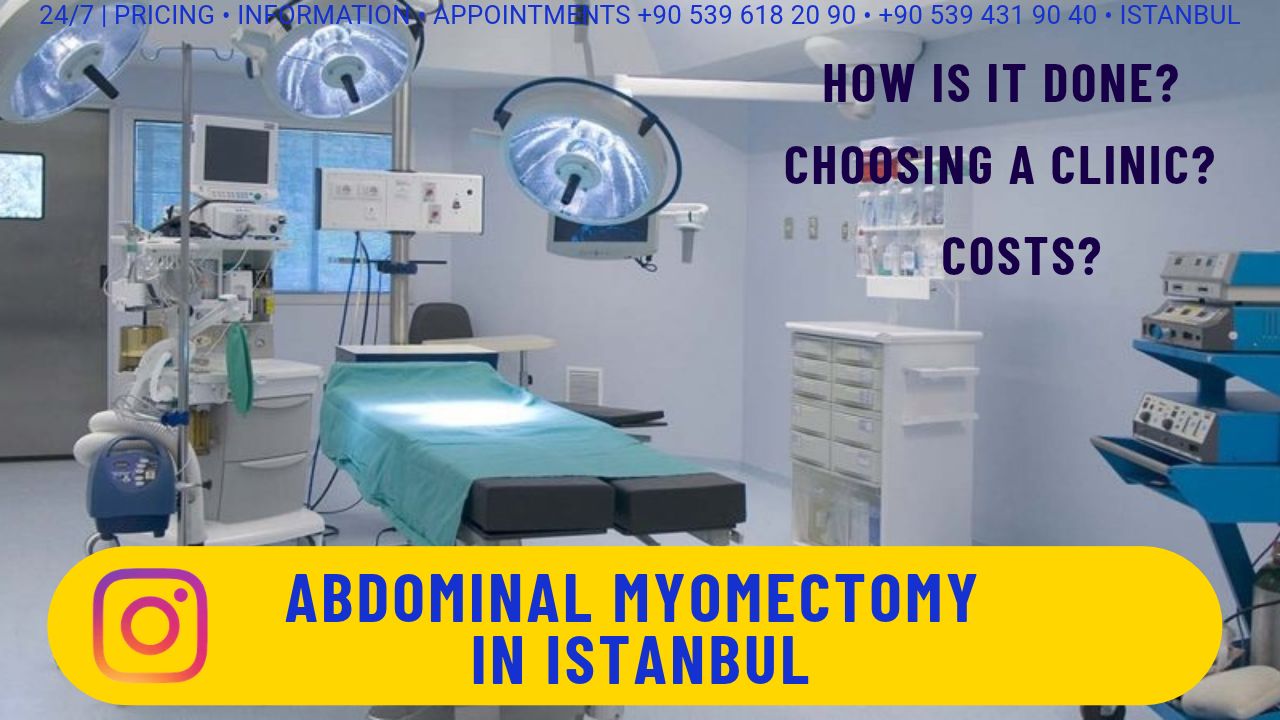
Abdominal myomectomy for removal of uterine fibroids while preserving the uterus
Abdominal myomectomy is an open surgical procedure used to remove uterine fibroids through an abdominal incision. It may be selected for patients with multiple, large, deeply located, or complex fibroids.
2. Laparoscopic Myomectomy
Laparoscopic myomectomy is a minimally invasive surgical technique performed through small abdominal incisions.
A camera and specialized surgical instruments are introduced into the abdominal cavity, allowing the surgeon to visualize the uterus and remove selected fibroids.
The procedure generally involves:
- Access to the abdominal cavity through small incisions
- Inspection of the uterus and pelvic structures
- Identification of the fibroids
- Surgical incision over the fibroid
- Separation and removal of the fibroid
- Careful reconstruction of the uterine muscle
- Removal of the fibroid tissue from the abdominal cavity
Laparoscopic myomectomy may offer advantages such as smaller incisions, reduced postoperative discomfort, and a shorter recovery period compared with open surgery in appropriately selected patients.
However, not every fibroid is suitable for a laparoscopic approach.
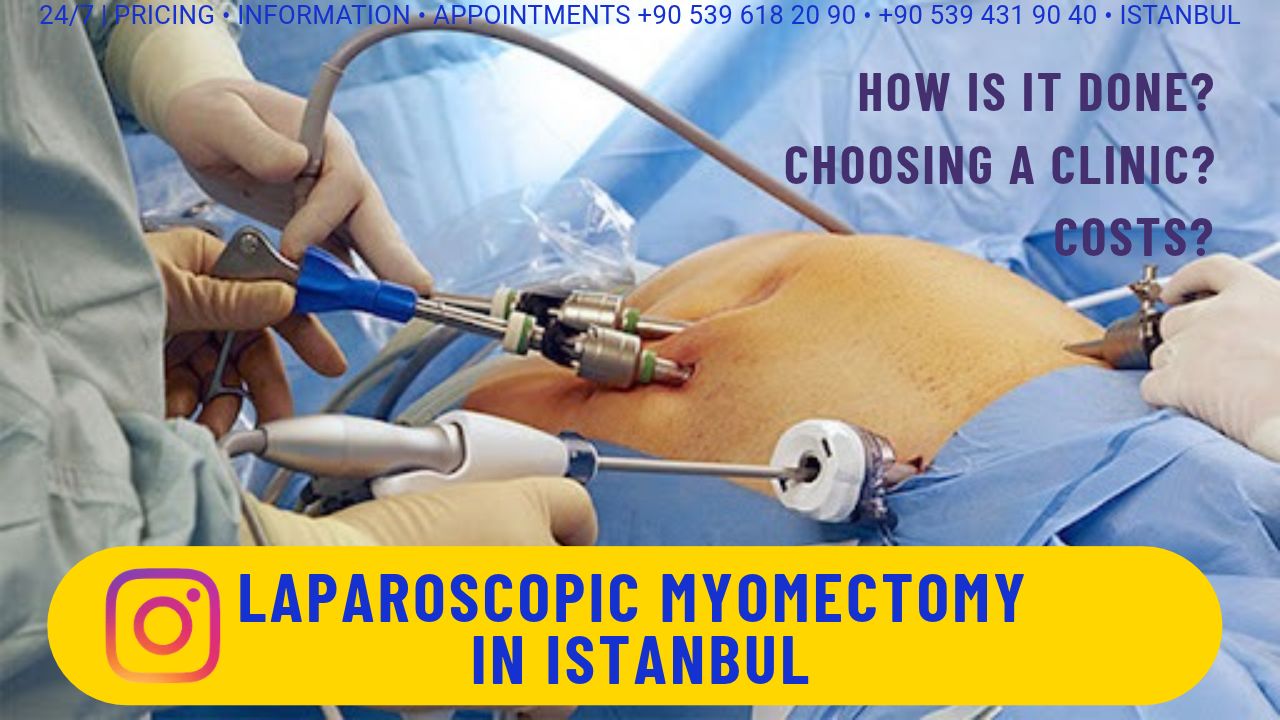
Laparoscopic myomectomy for removal of uterine fibroids through small abdominal incisions
Laparoscopic myomectomy is a minimally invasive surgical technique in which selected uterine fibroids are removed using a camera and specialized instruments introduced through small abdominal incisions.
3. Hysteroscopic Myomectomy
Hysteroscopic myomectomy is used to remove suitable submucosal fibroids that project into the uterine cavity.
Unlike abdominal and laparoscopic surgery, hysteroscopic myomectomy does not require abdominal incisions.
A hysteroscope is introduced through the vagina and cervix into the uterine cavity. Specialized instruments are then used to remove the fibroid under direct visualization.
The suitability of hysteroscopic treatment depends on the fibroid’s size, location, and degree of penetration into the uterine muscle.
Some fibroids may require more than one treatment session, depending on their characteristics and the extent of resection considered safe.
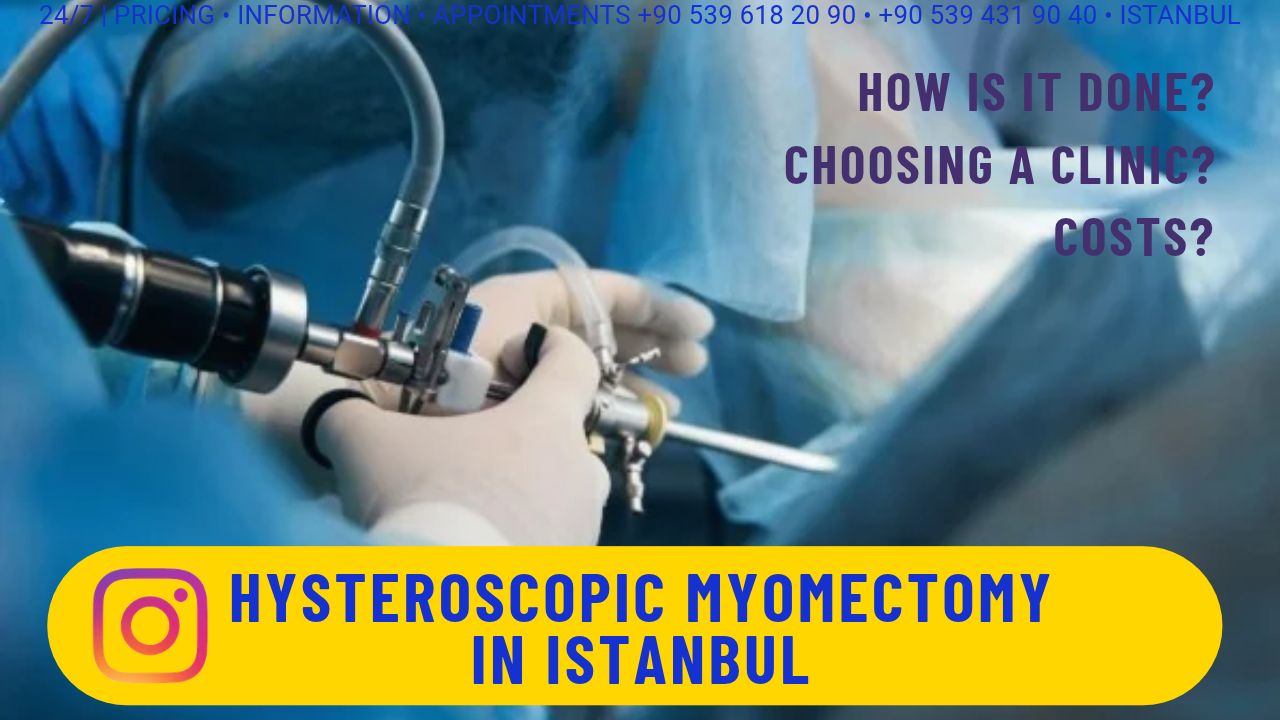
Hysteroscopic Myomectomy for Submucosal Fibroids
Hysteroscopic myomectomy is a minimally invasive procedure used to remove selected submucosal fibroids through the cervix under direct visualization, without abdominal incisions.
Preoperative Evaluation Before Myomectomy
Careful preoperative evaluation is essential for selecting the appropriate surgical technique and planning the procedure.
The assessment may include:
- Detailed gynecological history
- Menstrual and reproductive history
- Pelvic examination
- Transvaginal or pelvic ultrasound
- Evaluation of fibroid size, number, and location
- Assessment of the uterine cavity when indicated
- Complete blood count and anemia evaluation
- Additional imaging, such as pelvic MRI, when clinically necessary
- Anesthesia assessment before surgery
The patient’s reproductive plans are also considered when determining the surgical approach and extent of treatment.
Myomectomy and Fertility
For women who wish to preserve their uterus and future reproductive potential, myomectomy may be an appropriate treatment option in selected cases.
The potential effect of fibroids on fertility depends on their size, number, and location. Fibroids that distort the uterine cavity may be particularly relevant when evaluating reproductive problems.
Myomectomy may be considered when fibroids are thought to contribute to infertility, recurrent pregnancy loss, or difficulties related to the uterine cavity.
However, removing fibroids does not guarantee pregnancy. The potential reproductive benefit depends on several factors, including age, ovarian reserve, tubal function, sperm parameters, and other fertility-related conditions.
Pregnancy After Myomectomy
Pregnancy may be possible after myomectomy, but the appropriate timing and mode of delivery depend on the details of the surgery.
Important factors include:
- The depth and location of uterine incisions
- The number and size of fibroids removed
- Whether the endometrial cavity was entered
- The method of uterine wall reconstruction
- The postoperative healing process
- The patient’s overall obstetric history
The recommended interval before attempting pregnancy should be individualized. There is no single waiting period that applies to every patient.
The need for cesarean delivery in a future pregnancy is also assessed individually, taking into account the operative findings and extent of uterine reconstruction.
Recovery After Myomectomy
Recovery varies according to the surgical approach, the number and size of fibroids removed, and the patient’s general health.
Recovery After Laparoscopic Myomectomy
Patients undergoing laparoscopic myomectomy generally experience a shorter recovery period than those undergoing open abdominal surgery.
Mild abdominal discomfort, temporary bloating, and fatigue may occur during the initial recovery period.
A gradual return to daily activities is recommended according to postoperative instructions.
Recovery After Abdominal Myomectomy
Recovery after abdominal myomectomy generally takes longer because the procedure involves an abdominal incision and surgical repair of the uterine muscle.
Patients may require a longer hospital stay and a more gradual return to normal activities.
Recovery After Hysteroscopic Myomectomy
Recovery after hysteroscopic myomectomy is generally shorter because the procedure is performed through the cervix without abdominal incisions.
Mild cramping and light vaginal bleeding may occur after the procedure.
Postoperative Care
Postoperative instructions may include:
- Appropriate pain management
- Wound care when abdominal incisions are present
- Gradual return to physical activities
- Temporary restrictions on heavy lifting
- Instructions regarding sexual intercourse
- Follow-up examination and imaging when indicated
Fever, increasing abdominal pain, heavy vaginal bleeding, or other concerning symptoms require medical assessment.
Risks and Possible Complications of Myomectomy
Myomectomy is a commonly performed gynecological operation, but it involves surgical risks.
Potential complications include:
- Bleeding and blood transfusion
- Infection
- Injury to surrounding organs
- Anesthesia-related complications
- Formation of pelvic adhesions
- Scar formation within the uterine cavity
- Conversion from minimally invasive surgery to open surgery when necessary
- Recurrence or development of new fibroids
- Uterine scar-related complications in a future pregnancy
The likelihood of complications depends on the number, size, and location of fibroids, the surgical approach, and individual patient factors.
Appropriate surgical planning and postoperative follow-up are important components of treatment.
Can Uterine Fibroids Return After Myomectomy?
Myomectomy removes existing fibroids but does not eliminate the possibility of developing new fibroids in the future.
The risk of recurrence depends on factors such as the number of fibroids, age, and individual biological characteristics.
Regular gynecological follow-up may help identify new or recurrent fibroids when clinically indicated.
Myomectomy Cost in Istanbul, Turkey
The cost of myomectomy in Istanbul depends on the surgical technique, the number and size of fibroids, the complexity of the operation, anesthesia requirements, and hospital facilities.
Hysteroscopic, laparoscopic, and abdominal myomectomy involve different surgical requirements and may therefore have different costs.
For detailed pricing information, please contact our clinic. Following a review of your medical records and an appropriate gynecological assessment, we can provide information about the recommended surgical approach and its estimated cost.
Myomectomy for International Patients in Istanbul
International patients considering myomectomy in Istanbul can contact our clinic to arrange an initial medical assessment and discuss possible treatment options.
Sharing previous ultrasound reports, pelvic MRI results, blood tests, and relevant medical records before travelling can help facilitate the initial evaluation.
The treatment pathway may include:
- Initial review of medical records
- Gynecological consultation
- Ultrasound or additional imaging when indicated
- Evaluation of fibroid characteristics
- Selection of the appropriate surgical technique
- Preoperative assessment and surgical planning
- Postoperative care and follow-up instructions
The timing of surgery and the recommended duration of stay in Istanbul depend on the planned procedure and the patient’s recovery.
For further information, visit our International Patients in Istanbul page.
Medical illustration showing intramural, submucosal and subserosal uterine fibroids
Anatomical illustration of the main types of uterine fibroids, including intramural, submucosal and subserosal fibroids, showing their relationship with the uterine cavity and muscular wall.
Frequently Asked Questions About Myomectomy
What is the difference between myomectomy and hysterectomy?
Myomectomy removes uterine fibroids while preserving the uterus. Hysterectomy involves surgical removal of the uterus. The appropriate procedure depends on the patient’s condition, symptoms, reproductive plans, and treatment preferences.
Which type of myomectomy is best?
There is no single best technique for every patient. Hysteroscopic, laparoscopic, or abdominal myomectomy is selected according to fibroid size, number, location, and depth, as well as the patient’s clinical needs.
Can large fibroids be removed laparoscopically?
Some large fibroids can be removed laparoscopically, but suitability depends on their number, location, vascularity, and relationship with the uterine wall. The final decision requires individual surgical assessment.
Does myomectomy improve fertility?
Myomectomy may improve reproductive outcomes in selected patients, particularly when fibroids distort the uterine cavity. However, the benefit depends on individual fertility factors and cannot be guaranteed.
Can I become pregnant after myomectomy?
Yes, pregnancy may be possible after myomectomy. The timing of conception and pregnancy management should be discussed with the treating gynecologist based on the surgical findings.
How long does recovery take after myomectomy?
Recovery depends on the surgical technique. Hysteroscopic procedures generally involve a shorter recovery, while laparoscopic and abdominal myomectomy require progressively more recovery time depending on the extent of surgery.
Can fibroids grow again after surgery?
Yes. Although the existing fibroids are removed, new fibroids may develop over time. Follow-up may be recommended according to the patient’s clinical condition.
Book a Gynecological Consultation in Istanbul
If you have been diagnosed with uterine fibroids and are considering surgical treatment, a gynecological consultation can help determine whether myomectomy is appropriate.
Contact our clinic in Istanbul, Turkey, to discuss your symptoms, diagnostic findings, and available uterus-preserving treatment options.
Planning Surgical Myomectomy in Istanbul?
If you are considering surgical Myomectomy in Istanbul, you can contact our clinic to discuss your medical needs and appointment planning.
For international patients, consultation, ultrasound assessment, surgical treatment and postoperative care can be planned according to the individual medical situation.
Book a Consultation
Contact Us
Table of Contents
Toggle